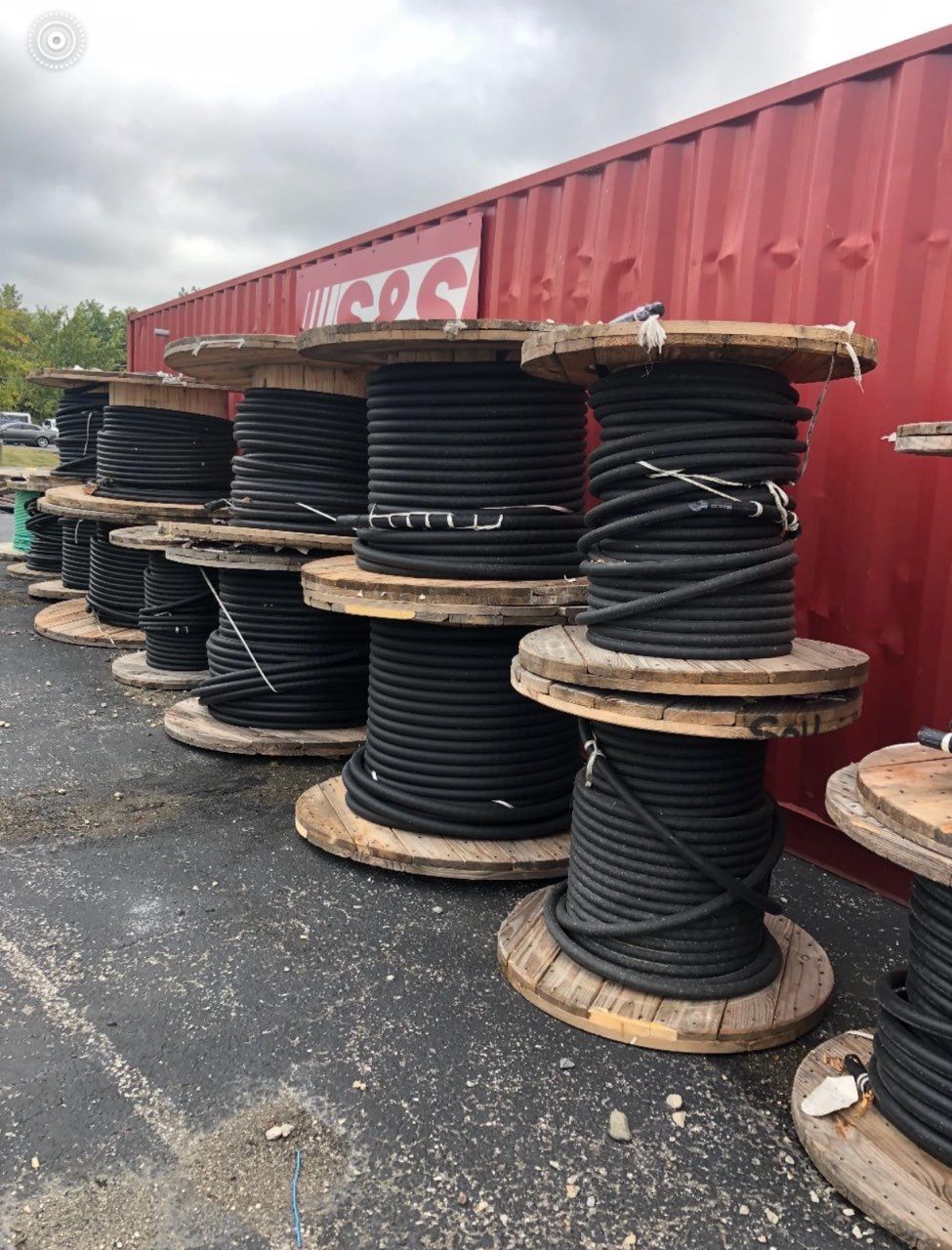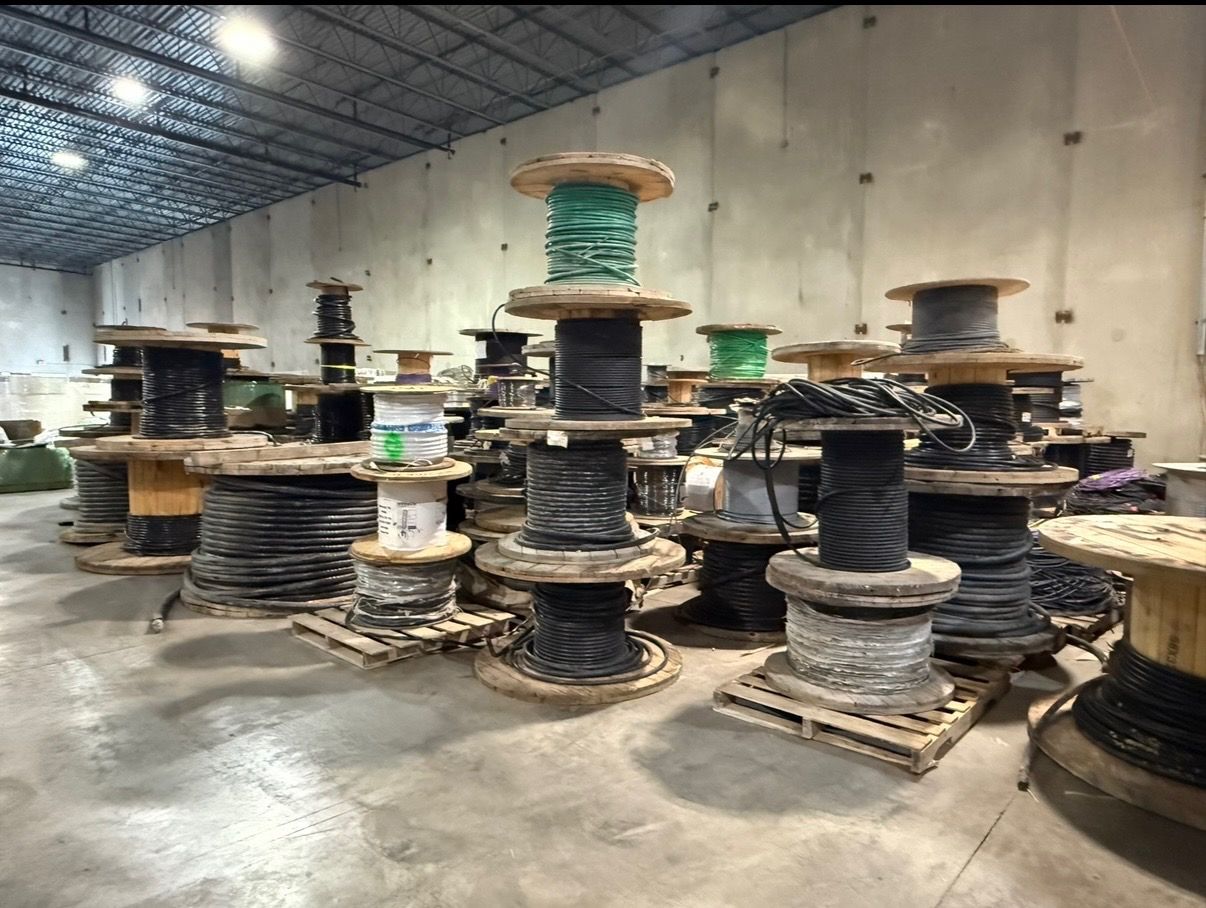
Every surplus lot contains material that will be resold as wire and material that will be reduced to conductor content. The split is not a judgment about quality or age. It is a judgment about whether a buyer can name the product, trust the length and expect the cable to perform. A clean-looking coil with no print and no tag is scrap. A dusty reel with a legible tag and 400 feet remaining is wire. Two reels that look identical on a shelf can be quoted on completely different bases for that reason alone.
Sellers often assume the difference is cosmetic, and that a wipe with a rag or a new tag will move material across the line. Sometimes it does, because identification was the only thing missing. Often it does not, because the cable itself has been damaged in ways that a photograph can show and a buyer cannot ignore. This guide sets out the tests in the order they are applied, from identification through length and condition to the stricter review that shielded cable receives.
| Wire value | Usable length plus legible identification |
|---|---|
| Recovery value | Conductor content after insulation is removed |
| Common disqualifiers | UV cracking, water ingress, crushed jacket |
| Medium voltage | Shielded cable travels better with test documentation |
| Sorting rule | Keep tagged and untagged material apart |
The first test is identification
Can you name the conductor size, the insulation, the voltage class and the conductor count without guessing? If yes, the material can be reviewed as wire. If the answer depends on a measurement you have not taken, take it before deciding anything. Conductor diameter and strand count will often recover a size when the print is gone, and insulation thickness plus jacket markings will usually narrow the family.
What cannot be recovered is a mixed pile. Once 12 AWG THHN, 10 AWG THW and a coil of thermostat wire are tangled in the same box, the identification work exceeds the value of the material. Sorting before mixing is the single most useful thing a seller can do, and it costs nothing but time. Keep like with like, and keep the tag with the reel.
Length decides which buyer can use it
A hundred feet of 3/0 copper is a pull. Fifteen feet of the same cable is a repair piece. Both are wire, but they serve different buyers and are priced accordingly. Contractors plan pulls around available length, so a reel that cannot complete a run is of limited interest to them, while a maintenance shop may value exactly that remnant for a motor change or a panel repair.
This is why a lot of many short pieces is reviewed as a group rather than piece by piece. Grouped by size, short pieces can be useful to a shop that keeps a wire rack. Scattered across a pallet with no labels, they read as scrap and are priced that way. The physical material did not change; the presentation did.
- Contractors need enough length to complete a run
- Maintenance shops value short remnants of common sizes
- Group short pieces by size before offering them
Condition signs that push material toward scrap
Sunlight is the most common cause of loss. PVC and XLPE jackets without a sunlight resistant rating chalk, fade and develop fine surface cracks after a season or two outdoors, and the cracking deepens with flexing. Water is second. Cable stored on the ground wicks moisture along the strands from an exposed end, and aluminum oxidizes between strands in a way that is difficult to reverse. A reel that has stood in a puddle has a waterline on the flange, which is why that detail gets photographed.
Physical damage comes third. A crushed flange pinches the outer layers, a dropped reel kinks the conductor, and a jacket that has been dragged across concrete loses its outer sheath in patches. Heat damage from a fire or a nearby weld spatter, rodent chewing, oil saturation and paint overspray all reduce what the cable can be used for. None of these are hidden defects; they are visible to anyone who looks, and they are what a buyer is looking for in the photographs.
- UV chalking and surface cracks follow a season outdoors
- Water wicking starts at an exposed end and travels inward
- Crushed flanges, kinks and dragged jackets are visible damage
What recovery value actually reflects
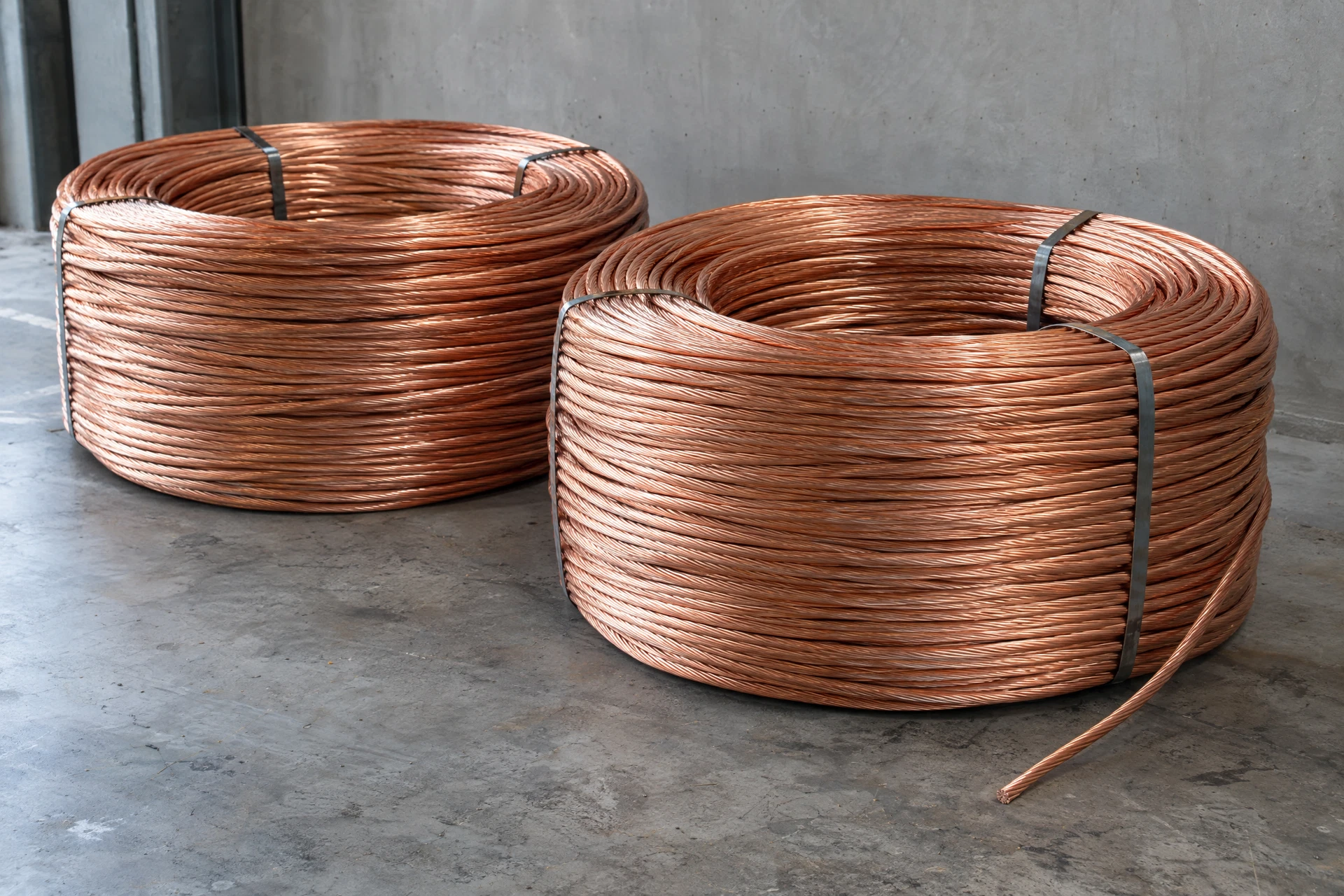
Recovery value is the conductor content after insulation is removed, adjusted for the cost of removing it. A building wire with thin insulation yields a high proportion of copper by weight, while a heavily jacketed control cable or a medium voltage cable with insulation, shields and jacket yields much less. That is why two reels of similar weight can have very different recovery value, and why weight alone never settles the question.
Aluminum recovery is lower per pound than copper for the same reason it is cheaper as wire: the metal is less valuable. Stripping cost matters more on small sizes, where the insulation is a larger share of the total and the copper per foot is small. None of this is an argument against selling short material. It is an argument for understanding which basis applies before a number is discussed.
Medium voltage sits behind a stricter line
Shielded cable rated 5 kV and above is treated more cautiously than building wire. The insulation is thicker, the semiconductive layers and shield are part of the design, and a nick or a moisture path that would be trivial in a 600 volt cable can matter at 15 kV. Buyers of medium voltage reels want the insulation level, the shield type, the jacket and any test documentation from the manufacturer or the original project.
A partial medium voltage reel with no paperwork is not worthless, but it is a harder sale and it is priced with that in mind. Cable that has been in service and removed is read differently again, since field testing after reinstallation is the buyer's responsibility. Sellers who have the original packing list or the receiving record should include it, because it is the cheapest improvement available to a difficult lot.
- Insulation level and shield type are the first fields a buyer checks
- Original packing lists and receiving records help a partial reel
- Removed cable is reviewed differently from unused cable
How to sort a room before calling anyone
Make four piles and label them. The first is tagged and sealed. The second is tagged or printed but partial. The third is identifiable by measurement but undocumented. The fourth is damaged or unidentified. This takes an afternoon in a typical plant storage room and it changes the review completely, because each pile is discussed on its own terms rather than as one undifferentiated mass.
Do not cut anything to check it, and do not strip a sample to see the copper. Both destroy evidence that the next buyer would have used. If a reel is questionable, photograph the questionable part and leave it intact. The honest description, including the parts that are damaged, produces a faster review than an optimistic one that has to be corrected at the dock.
- Four piles: sealed, partial and tagged, identifiable, damaged
- Label each pile and photograph it separately
- Leave questionable material intact for review