
How selling surplus wire works
From the first photograph to the loaded truck, the process is built around documentation so neither side is guessing about footage, condition or terms.
Five stages, no surprises
Send the inventory
Use the form on this page or email photographs directly. Include the city or township, the wire type if you know it, approximate footage, reel count and condition. A wide shot plus tag and jacket photos is enough to start.
Initial review
We check construction, size, voltage class, length, condition and documentation. If something important is missing, you get a short specific list rather than a vague request for more information.
Written quote
The quote states what the material is being bought as, the basis for the number, and the pickup and payment terms. No obligation follows from requesting it.
Pickup planning
Address, access window, dock or ground level, forklift or crane needs, palletizing and paperwork are confirmed. Site rules and escort requirements are handled here.
Loading and payment
The material is counted and loaded against the agreed inventory. Payment follows the terms in the accepted quote.
What moves a quote up or down
Two lots of the same wire can be worth very different amounts. These are the factors that matter most, in rough order.
- Construction and voltage class. THHN and XHHW-2 have broad demand. Shielded medium voltage cable has a narrower buyer pool but higher unit value.
- Continuous length. A 2,000 foot reel is a product. Forty short pieces are recovery material.
- Condition of the jacket. Sun damage, water ingress and crushed reels reduce or eliminate resale value.
- Documentation. Tags, print lines, footage counters and test records reduce uncertainty.
- Size and conductor. Large copper feeders carry the most value per foot; small aluminum branch wire carries the least.
- Logistics. Distance, access and loading equipment are part of the economics.
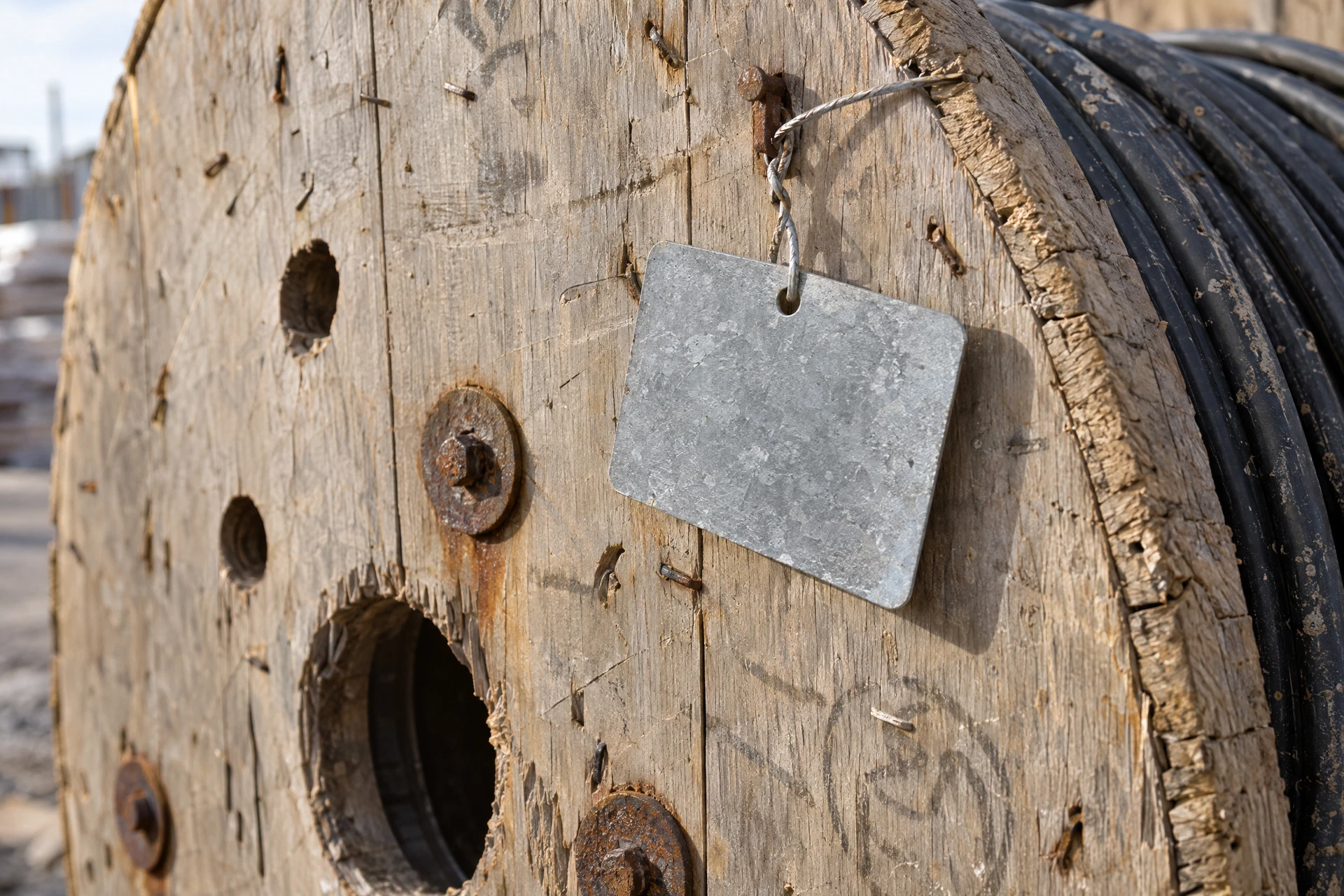
What to do before you send anything
- Photograph the lot before moving it
- Keep tags, labels and packaging in place
- Do not cut usable cable to fit a pallet
- Note which reels were stored outdoors
- Write down what you know about footage and origin
- Confirm who can authorize the sale and the pickup
If the inventory is large, a simple spreadsheet by reel is more useful than a long narrative. Reel number, type, size, footage, condition and location is enough.
Have surplus wire on the floor right now?
Send photographs of the reels, tags and jacket print. We will tell you what the material is worth as wire, not just as metal.