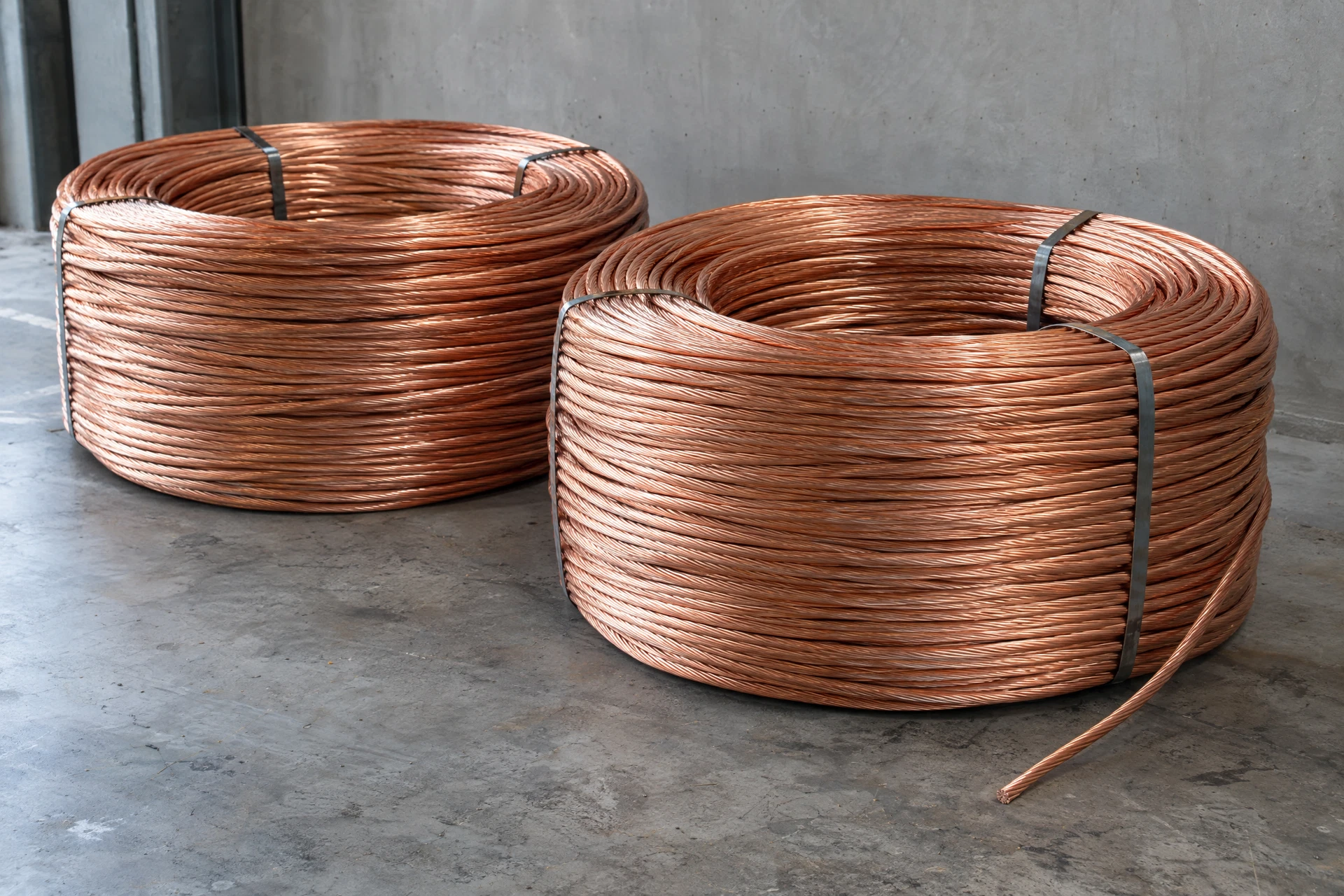
Bare Copper Wire Buyers in Pennsylvania
Bare copper grounding and bonding conductor, soft or hard drawn, bought in coils and reels from Pennsylvania contractors and plants.
Bare copper has no insulation, no jacket and no voltage rating in the usual sense. It is a grounding and bonding conductor, and its job is to carry fault current and to hold everything metallic at the same potential. The code treats it separately from circuit conductors, with its own sizing table and its own installation rules. That is why a grounding conductor can be smaller than the phase conductors it serves, and why its size is checked against a table rather than an ampacity chart.
Most of what we see comes from service work. A 200 A service upgrade needs a grounding electrode conductor, a ground ring around a new building needs 2 AWG bare, and a substation or cell site needs a grid of it. Because those jobs are cut to length on site, the leftover coils are usually short, clean and easy to identify by gauge alone. The wire is also the item most often left behind when a crew demobilizes, since nobody wants to carry a half coil back to the shop.
| Conductor | Bare copper, soft drawn or hard drawn, solid or concentric stranded |
|---|---|
| Construction | No insulation or jacket; ASTM B3 for soft wire, B1 for hard drawn and ASTM B8 for stranded |
| Voltage rating | None as a conductor; used for grounding and bonding at any system voltage |
| Temperature rating | Limited by terminations and connectors rather than insulation |
| Common sizes | 8 AWG through 500 kcmil, with 6, 4 and 2 AWG most common |
How bare copper is made and graded
Bare copper is drawn from rod and annealed to a soft temper for bending, or left hard drawn for overhead and guy applications where tensile strength matters. Solid single-end wire is common in small sizes. Larger sizes are stranded in concentric layers, and the strand count is printed on the tag rather than on the wire.
Soft-drawn wire bends easily around a ground rod and lays flat in a trench. Hard-drawn wire resists stretching and is used where mechanical tension is part of the design. The two are not interchangeable, and a coil that has been work-hardened by repeated bending is harder to sell.
- Soft drawn for grounding electrodes and ground rings
- Hard drawn for overhead and tensile applications
- Solid small sizes, stranded from 8 AWG up
Where bare copper is used in Pennsylvania
Service entrances are the largest source. Every new or upgraded service needs a grounding electrode conductor to a rod, a plate or a building steel connection, and the leftover from a 4 AWG or 2 AWG coil often sits in a truck for months. Ground rings for new construction consume hundreds of feet at a time.
Industrial plants use bare copper for equipment bonding, tray bonding and substation ground grids. Hospitals and data centers use it for bonding and for grounding electrode systems where continuity is critical. Telecom and utility sites use it for counterpoise and tower grounding, usually in larger stranded sizes.
- Grounding electrode conductors for services
- Ground rings and building steel bonds
- Equipment and tray bonding jumpers
- Substation grids, tower and counterpoise work
What makes a coil worth buying
Clean, bright copper in a known gauge is the easiest material to price, because the metal value is clear and the resale use is obvious. A coil with a legible tag showing size, temper and weight is better still. Ground rings and electrode conductors are cut from coils, so a 50 ft remnant of 2 AWG still has a use.
Value drops when the copper is contaminated. Paint, tar, concrete splatter, solder and oil all have to be removed before the wire can be sold as conductor. Badly kinked or nicked wire is cut back, and spliced coils are usually treated as recovery material.
- Bright copper with no paint, tar or concrete
- Known gauge and temper
- No splices, deep nicks or hard kinks
Tarnish, storage and gauge checks
Bare copper tarnishes to brown and eventually to green, and neither change affects conductivity. A green coil that sat outside is still copper. What does affect value is pitting from exposure to acids or salts, and thinning from repeated scraping against concrete.
Identification is usually simple because there is no insulation to read. Gauge can be measured, strand count can be counted, and weight per foot confirms the size. The one ambiguity is temper, which matters for structural and overhead uses and is often unknown after the tag is lost.
- Tarnish and green patina are normal
- Look for pitting, acid damage and thinning
- Weigh the coil to confirm the gauge
What to send for a bare copper review
Send a photo of the coil with something for scale, a close-up of the strand bundle, and the tag if there is one. Tell us the gauge if you know it, and whether the wire is solid or stranded.
Weight is the most useful single number for bare copper. A bathroom scale under one end of a coil gives a usable estimate, and it lets us quote before anyone loads a truck. Include the town and whether the coil can be lifted by hand.
- Coil photo with scale reference
- Close-up of the strands and cut end
- Gauge, temper if known, and approximate weight
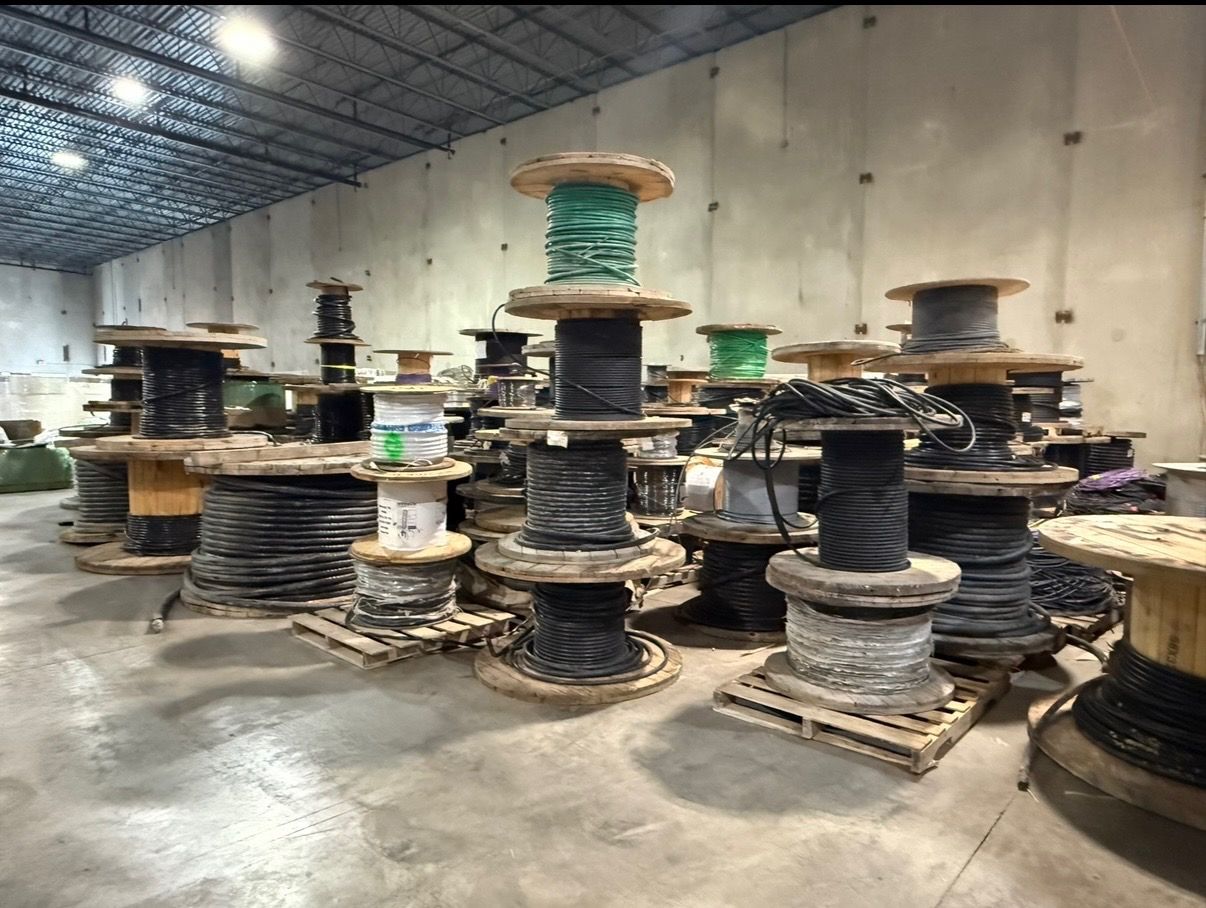
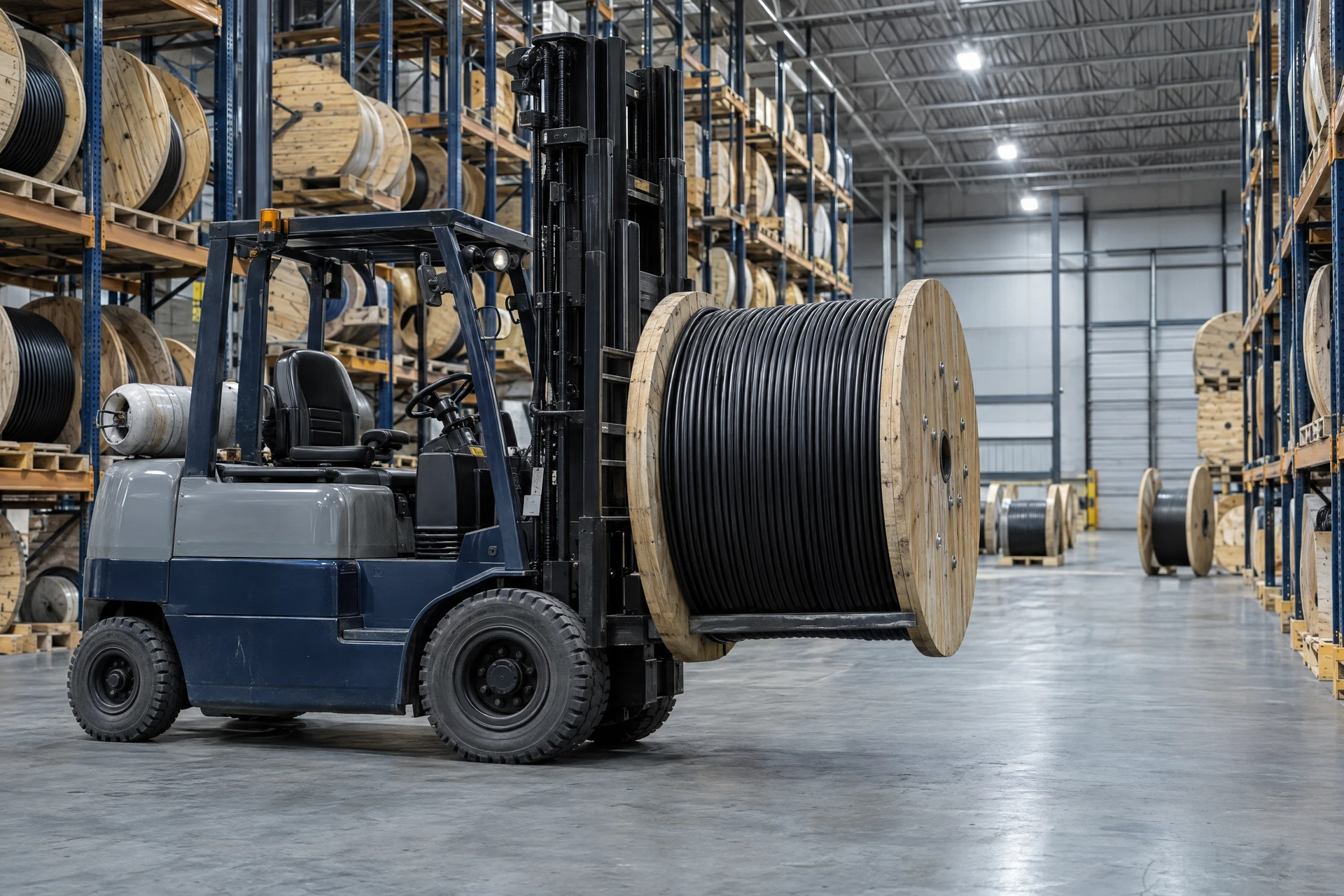
What we buy in this category
- Bare copper grounding conductor, 8 AWG through 500 kcmil
- 2 AWG and 4 AWG soft-drawn coils for ground rings
- Stranded bare copper in 1/0 through 250 kcmil
- Hard-drawn bare copper for overhead and guy work
- Ground ring remnants and electrode conductor cut lengths
- Tinned bare copper for corrosive locations
- Mixed coils and partial reels from service crews
Selling bare copper wire in Pennsylvania
We review bare copper wire from every Pennsylvania region: the southeastern industrial corridor, the Lehigh Valley, southwestern Pennsylvania, the Susquehanna Valley, the northeast and the northern tier. Location decides the pickup plan, so include the municipality in your message.
Bare Copper Wire questions
Do you buy bare copper by weight or by length?
Both matter. Length and gauge determine what the wire can be used for, and weight confirms the gauge. A clean coil in a common size is priced as conductor, while short or contaminated pieces are priced closer to metal value.
Is green or tarnished copper still acceptable?
Usually yes. Surface tarnish and green patina do not change conductivity and are normal for outdoor storage. Pitting, acid damage or concrete residue are different and reduce what the coil is worth, and they are the first thing we look for in a photo.
Can I sell short pieces of ground wire?
Yes. Short bare copper is common from service work and is bought as a lot rather than individually. Pieces under a few feet are usually valued on copper content, since they are too short for a ground ring or an electrode run.
How do I tell soft from hard drawn?
Soft drawn bends easily and stays where it is bent. Hard drawn springs back and resists bending. The reel tag usually states the temper, and without a tag the behavior of the wire is the practical test.
Other wire and cable we buy
Copper Wire
Sell surplus copper wire in Pennsylvania.
Buying detailsBuilding Wire
Sell surplus building wire in Pennsylvania.
Buying details#6 AWG Wire
Sell surplus #6 awg wire in Pennsylvania.
Buying details#4 AWG Wire
Sell surplus #4 awg wire in Pennsylvania.
Buying details#2 AWG Wire
Sell surplus #2 awg wire in Pennsylvania.
Buying detailsHave surplus wire on the floor right now?
Send photographs of the reels, tags and jacket print. We will tell you what the material is worth as wire, not just as metal.