
#6 AWG Wire Buyers in Pennsylvania
Six gauge copper, the size that finishes 60 A circuits and small feeders, bought in reels and coils across Pennsylvania.
Number 6 AWG copper measures 0.162 in across the bare conductor and about 26,240 circular mils in area. In the ampacity table it carries 55 A at 60 degrees C, 65 A at 75 degrees C and 75 A at 90. That makes it the natural conductor for a 60 A circuit, and the smallest size most designers will use for a feeder that has to travel any distance. It is also one of the few sizes that appears in both power and grounding roles on the same job.
It is also the size where a project starts buying by the foot rather than by the spool. An electrician installing a 60 A subpanel in a detached shop may need 85 ft, and the supply house cuts it from a reel. What is left on that reel, or the offcut from a longer pull, is the material that ends up in a surplus lot two years later. Add a plant that keeps a spare reel and the volume grows quickly.
| Size | 6 AWG, 0.162 in bare copper diameter, about 26,240 circular mils |
|---|---|
| Ampacity class | 55 A at 60 degrees C, 65 A at 75 degrees C and 75 A at 90 degrees C for copper |
| Construction | 7-strand copper standard, solid available in some insulations |
| Common insulations | THHN, THWN-2, XHHW-2, and bare or green for grounding |
| Standards | UL 83, UL 44, ASTM B8 stranding, 600 V building wire class |
Six gauge in the ampacity framework
The three-column rating matters here because 6 AWG is often specified right at a breaker size. A 60 A circuit on 6 AWG copper works in the 75 degree column, which assumes terminations rated for that temperature. Put the same conductor on 60 degree terminations and the usable ampacity drops to 55 A, which is why the lug rating is checked before the wire is ordered.
Stranding is almost always seven-strand at this size. Solid 6 AWG exists and is used for grounding, but it is stiff enough that most crews avoid it for anything that has to be pulled through conduit.
- Commonly applied to 60 A circuits
- Termination temperature can reduce usable ampacity
- 7-strand is standard, solid is a grounding product
Where #6 is used in Pennsylvania
Ranges, ovens, cooktops and 60 A subpanels account for a large share. Electric vehicle chargers running 48 A continuous on a 60 A circuit take 6 AWG copper, and the growth of that work has put more short lengths into circulation. Welders, compressors and small hoists in shops use it as well.
In plants, 6 AWG appears on motor circuits, on feeder taps and on equipment grounding conductors for larger feeders. Solar installers use it between combiners and inverters. Agricultural operations across the state use it for barn panels and grain dryer circuits, where runs are long and voltage drop is real.
- Ranges, ovens and 60 A subpanels
- 48 A EV chargers on 60 A circuits
- Motor circuits and feeder taps in plants
- Solar combiners and agricultural panels
What makes a 6 AWG reel resellable
Because 6 AWG is bought by the foot, length is the whole conversation. A reel with 200 ft left is straightforward. A 25 ft coil is not, unless a contractor needs exactly that for a repair. The threshold sits higher than it does for 12 AWG, since a short piece of 6 AWG has fewer uses.
Insulation type and color come next. Black, red and green move best. Bare 6 AWG is a grounding product with its own buyers. THHN and XHHW-2 are both wanted, but they are priced separately because the temperature and wet ratings differ.
- 200 ft or more on a reel is easy to place
- Black, red and green are the fastest colors
- Bare grounding stock is priced on its own
Ends, print and reel condition
Six gauge holds up well in storage, and a reel kept indoors is usually serviceable after many years. The common damage is at the ends, where a conductor was shoved into a lug, cut with a hacksaw and left with flattened strands that no longer fit a proper termination.
Print is usually clear, but the reel tag is often missing. Since 6 AWG is close in appearance to 4 AWG, confirm the size by measuring the bare conductor rather than judging by eye. A caliper reading settles it in seconds.
- Cut back crushed or flattened ends
- Measure the bare conductor to confirm size
- Check for green corrosion inside the strands
What to include with a 6 AWG reel
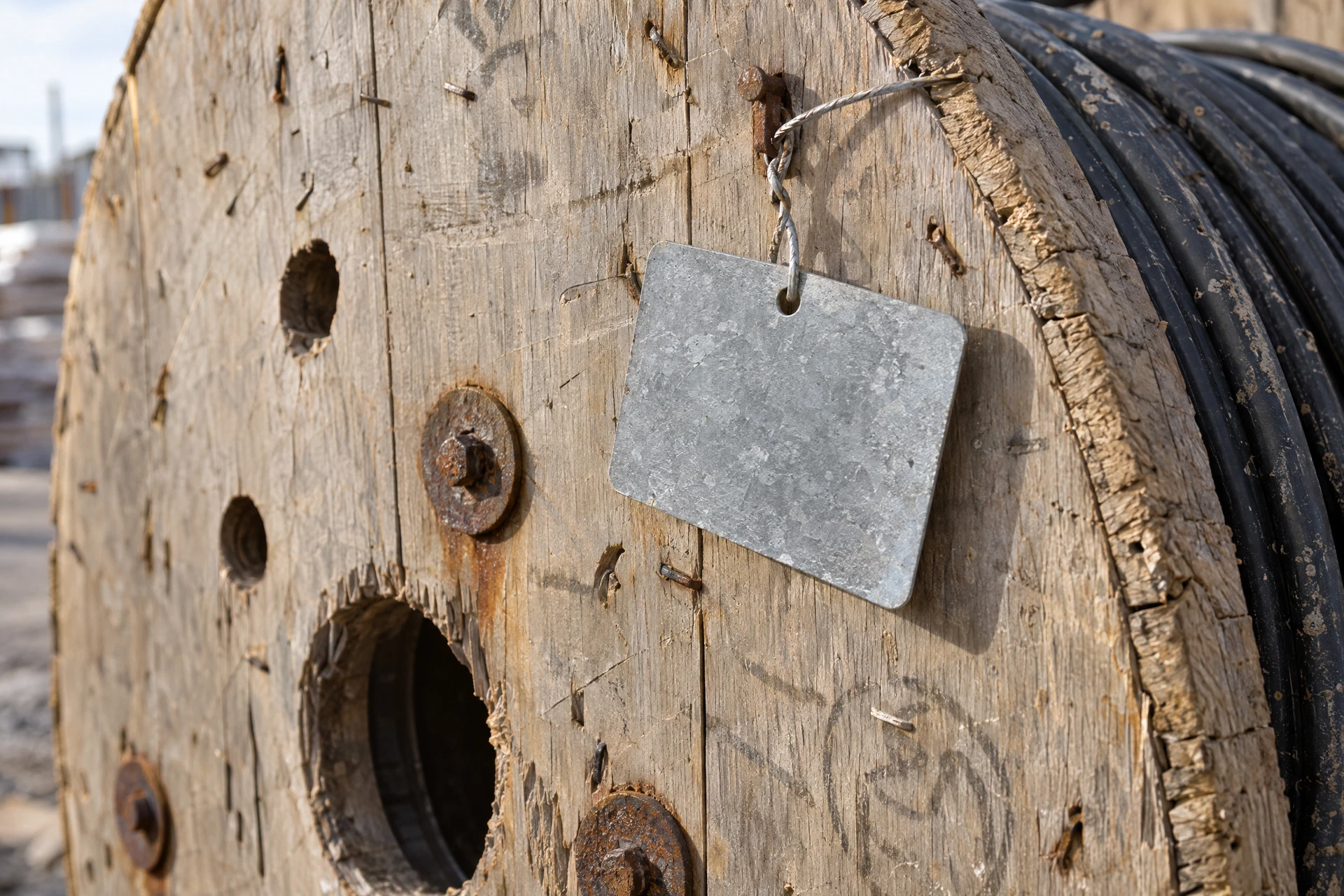
Send the print, the reel face and both ends, plus the approximate footage. If the wire is on a factory reel, include the tag even if it is faded, because the original footage and the manufacturer help establish what the reel started with.
Say whether the wire is copper or aluminum. Six gauge aluminum exists, but it is uncommon and is reviewed on different terms. Copper is the assumption only when the print says so.
- Print and reel tag
- Both ends and approximate footage
- Copper or aluminum, and the insulation type
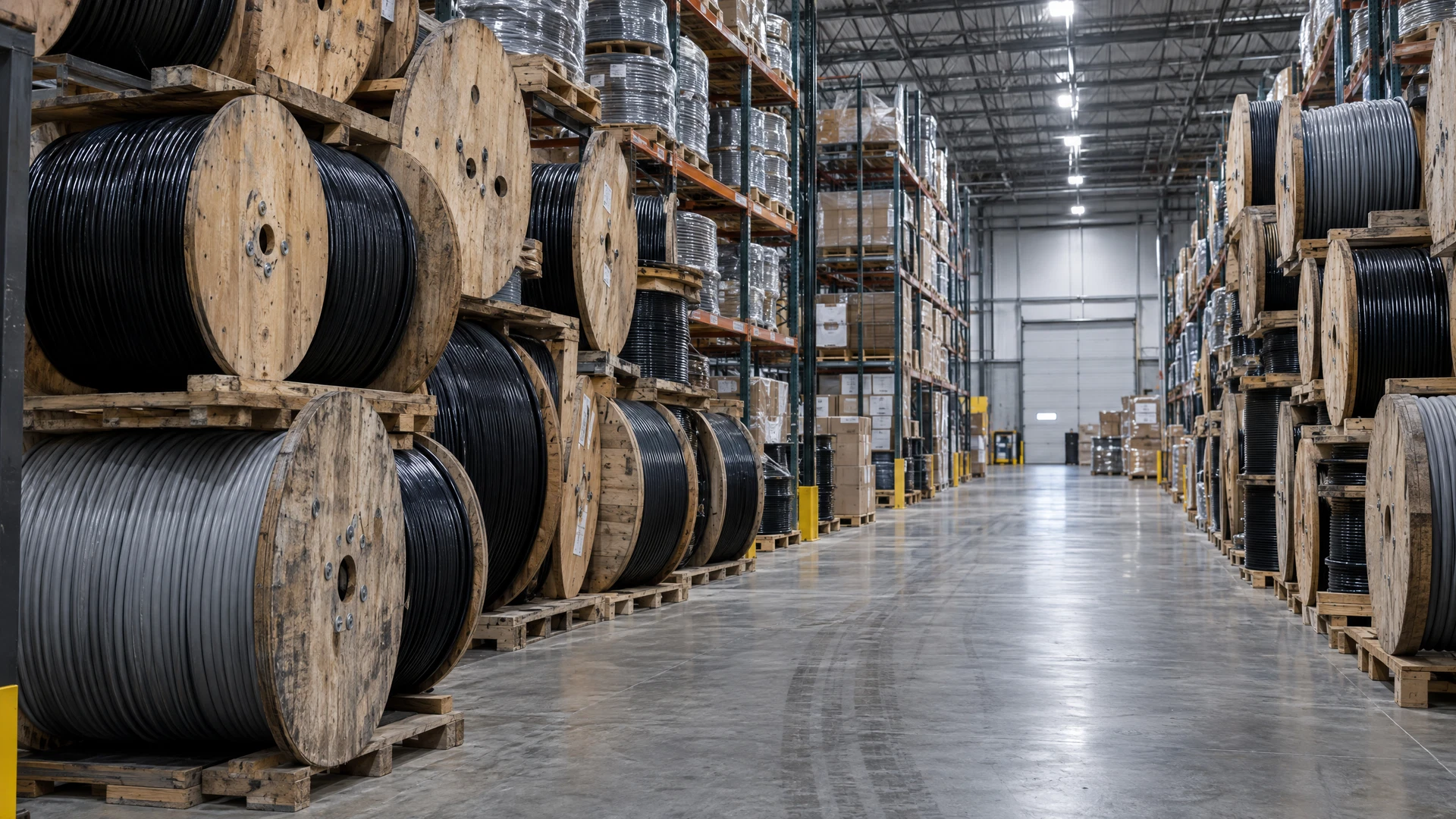
What we buy in this category
- 6 AWG THHN in black, red, white and green
- 6 AWG THWN-2 and dual-rated reels
- 6 AWG XHHW-2 copper in partial lengths
- Bare 6 AWG solid grounding conductor
- Green-insulated 6 AWG equipment ground
- Reels with 100 ft or more remaining
- Short project coils in quantity from service work
Selling #6 awg wire in Pennsylvania
#6 awg wire arrives from job sites, warehouses and maintenance rooms across all 67 counties. Whether the reels are in Bucks County or Beaver County changes the logistics, not the review, so include the address when you send photographs.
#6 AWG Wire questions
What size breaker does #6 copper take?
It is commonly used on 60 A circuits, since 6 AWG copper carries 65 A in the 75 degree column. The breaker size still has to match the load and the termination rating, so the wire alone does not set the answer.
Do you buy 6 AWG by the foot or by the reel?
Both. A reel with a few hundred feet is priced as wire, and short coils are reviewed as a group. Very short pieces are usually valued on copper content, because few jobs need 20 ft of 6 AWG.
Is 6 AWG used for EV chargers?
Yes. A 48 A continuous charger on a 60 A circuit typically uses 6 AWG copper, which is one reason short lengths of it turn up after garage and commercial parking projects. The run is often longer than the charger paperwork assumes.
Can I sell 6 AWG with the lugs still on?
Yes, though the ends are usually cut back before grading. Lugs, heat discoloration and flattened strands all reduce what the reel is worth, so a clean cut end photographed clearly helps the offer. We cut them off during review rather than guessing.
Other wire and cable we buy
#8 AWG Wire
Sell surplus #8 awg wire in Pennsylvania.
Buying details#4 AWG Wire
Sell surplus #4 awg wire in Pennsylvania.
Buying detailsTHHN Wire
Sell surplus thhn wire in Pennsylvania.
Buying detailsXHHW-2 Wire
Sell surplus xhhw-2 wire in Pennsylvania.
Buying detailsBare Copper Wire
Sell surplus bare copper wire in Pennsylvania.
Buying detailsHave surplus wire on the floor right now?
Send photographs of the reels, tags and jacket print. We will tell you what the material is worth as wire, not just as metal.