
XHHW Wire Buyers in Pennsylvania
Cross-linked polyethylene building wire, rated 90 degrees C dry, bought in reels and partial spools from Pennsylvania plants.
XHHW is a thermoset conductor: cross-linked polyethylene insulation over copper or aluminum, with no nylon jacket. Cross-linking is a chemical change rather than a coating, so the insulation will not remelt when a lug runs hot or a soldering iron touches it. That chemistry gives the wire a 90 degree C dry rating, good moisture resistance, and a thinner insulation wall than a thermoplastic conductor of the same rating. Plants order it for feeders where heat and damp are both present.
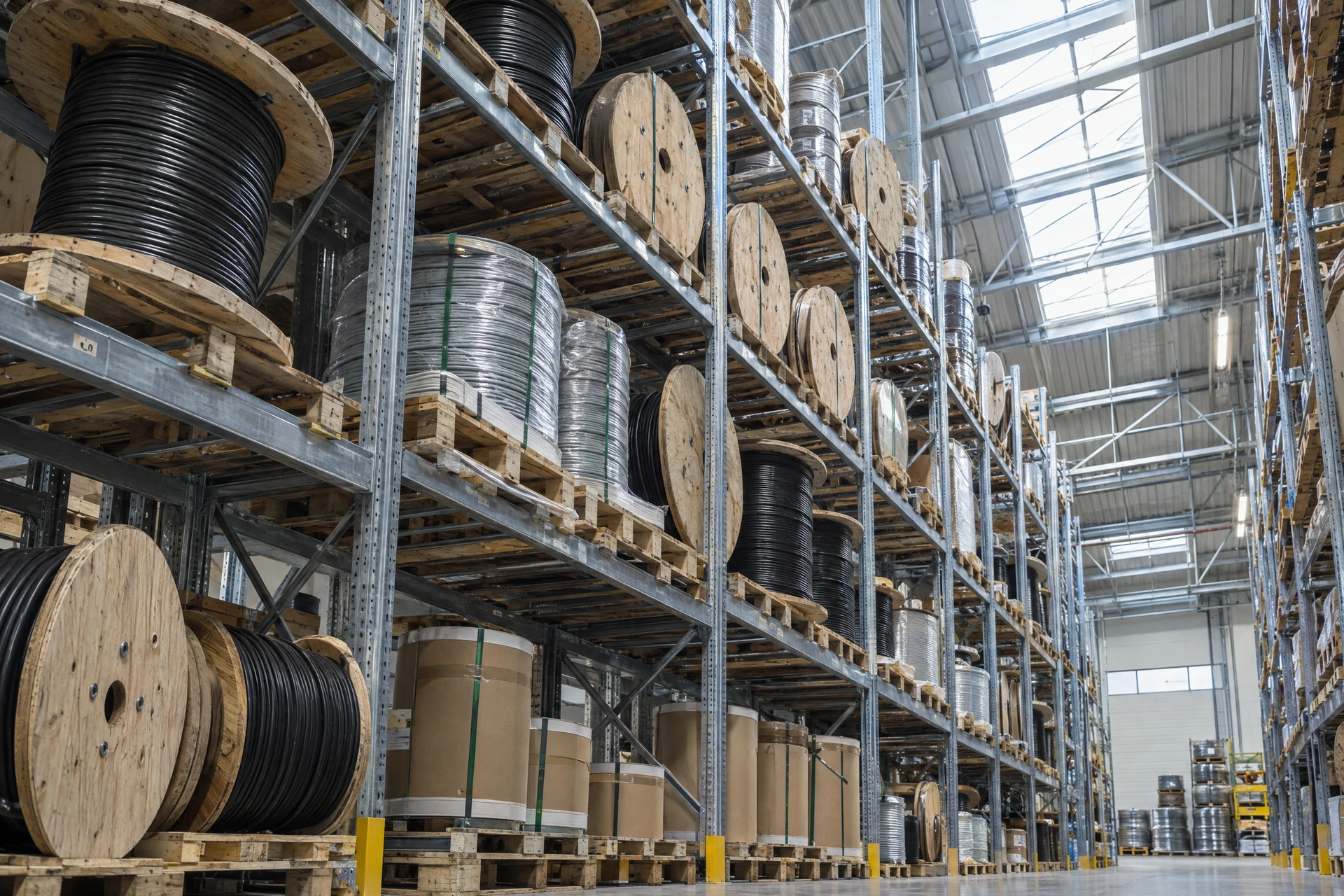
What arrives at review is usually plant spare stock. A maintenance department keeps a reel of 4/0 for a chiller feed, a tray run of 250 kcmil from a line addition, and a few partial spools of 8 AWG in conduit. Much of it is single-rated XHHW ordered years ago, before XHHW-2 became the default specification. The print on the jacket settles which one it is, and that distinction changes the price. Sellers often read the first four letters and stop there.
| Conductor | Annealed copper or AA-8000 aluminum, solid through 10 AWG and stranded above |
|---|---|
| Insulation | Cross-linked polyethylene, a thermoset with no nylon jacket, listed to UL 44 |
| Voltage rating | 600 V as building wire, 2 kV through 35 kV in shielded constructions |
| Temperature rating | 90 degrees C dry and 75 degrees C wet on single-rated XHHW |
| Common sizes | 14 AWG through 1000 kcmil, with 1/0 through 500 kcmil common in feeders |
What cross-linked polyethylene does
Polyethylene on its own softens at temperatures a feeder can reach. Cross-linking bonds the polymer chains to each other, turning a thermoplastic into a thermoset that holds its shape until it chars. The result is an insulation that tolerates 90 degrees C in dry air, resists moisture absorption, and does not flow under a lug.
The tradeoff is mechanical. XLPE has no nylon skin, so it scuffs more easily than THHN and has less resistance to abrasion during a long pull. Electricians compensate with lubricant and care at the sheave, and the thinner wall buys conduit fill that a thermoplastic wire of the same rating cannot match.
- Thermoset insulation that will not remelt
- Lower moisture absorption than PVC compounds
- Thinner wall for the same temperature rating
Where XHHW is used in Pennsylvania
Industrial plants are the main source. Feeders to chillers, compressors, pumps and motor control centers run in conduit or cable tray, and XHHW is a common choice where the environment is damp or hot. Food plants, paper mills and wastewater facilities use it because washdown and humidity shorten the life of thermoplastic insulation.
It also appears in commercial service equipment and in tray installations where a tray-rated version is specified. Outside, XHHW is used in underground conduit and in some direct burial constructions, though cable listed specifically for burial is more typical below grade.
- Chiller, compressor and pump feeders
- Motor control centers and plant distribution
- Cable tray runs with tray-rated stock
- Underground conduit and wet process areas
XHHW and XHHW-2 are not the same reel
The suffix is a wet-location rating. Single-rated XHHW is 90 degrees C dry and 75 degrees C wet. XHHW-2 carries 90 degrees C in both. A plant that standardized on XHHW in the 1990s may still hold reels that are single-rated, and those reels cannot be applied at 90 degrees C in a wet location.
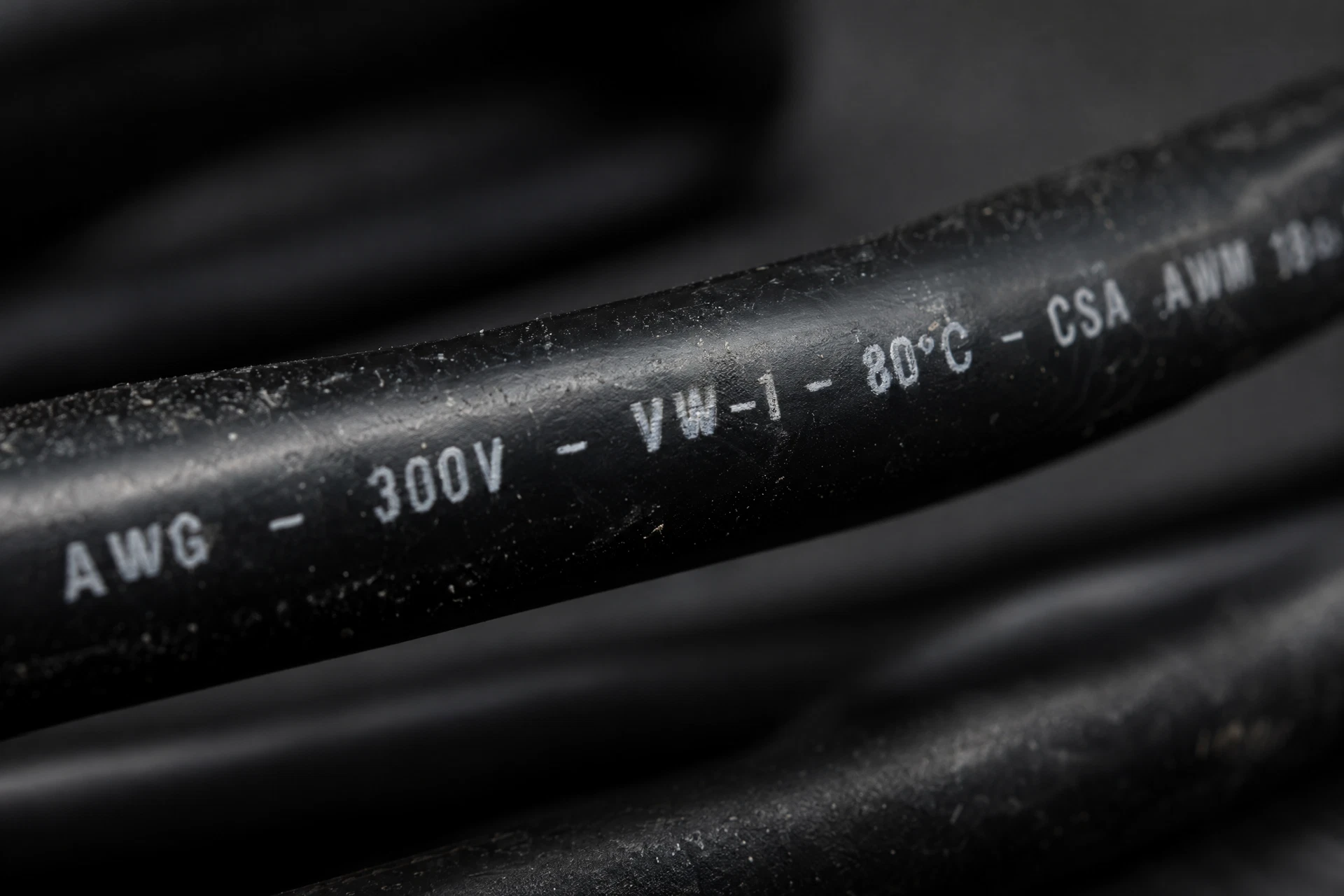
That matters to a buyer because the two look identical on the reel. The print string is the only reliable evidence, and a tag alone is not enough when a contractor has respooled wire for a job. We read the jacket and price accordingly.
- Print reading XHHW alone means 75 degrees C wet
- XHHW-2 print supports the full 90 degree wet rating
- Reel tags can be wrong after a respool
Sunlight, water and reel condition
XLPE tolerates age better than PVC, and a reel stored indoors for fifteen years is often still serviceable. Sunlight is the weakness. Unless the jacket carries a sunlight-resistant marking, UV exposure hardens the surface and can crack it on the outer wraps of a yard-stored reel.
Water in the ends is the other issue. A reel that sat on a wet floor wicks moisture into the strand bundle, and the aluminum or copper under the insulation corrodes where nobody can see it. Cutting back a few inches at each end answers the question quickly.
- Check for sunlight-resistant marking on outdoor reels
- Cut back the ends and look for dark or wet strands
- Note crushed flanges and slipped wraps
What to send for an XHHW review
Send the jacket print, the reel tag and both ends. The print tells us the size, the insulation and whether the wire is XHHW or XHHW-2. The ends show whether the cable was wet, overheated or cut cleanly from a surplus run.
Add the approximate footage, the number of reels, and whether the conductor is copper or aluminum. Aluminum XHHW is reviewed on different terms than copper, so that detail should not be left to a guess from a photograph.
- Full print string, including any -2 suffix
- Reel tag and both cut ends
- Conductor material, footage and reel count
What we buy in this category
- XHHW copper, 8 AWG through 500 kcmil
- XHHW aluminum, 1/0 through 1000 kcmil
- Tray-rated XHHW and TC constructions
- Single-rated XHHW from plant spare stock
- Partial reels with usable remaining lengths
- 600 V XHHW in 14 through 2 AWG
- Shielded XLPE cable in 5 kV through 35 kV classes
Selling xhhw wire in Pennsylvania
Most xhhw wire we review comes from plants and contractors in the southeast, the Pittsburgh region and the central counties, with smaller lots from Scranton, Wilkes-Barre, Erie and the northern tier. Tell us where the material sits and we will confirm coverage.
XHHW Wire questions
How is XHHW different from THHN?
THHN uses PVC insulation with a nylon jacket and is rated 90 degrees C dry and 75 degrees C wet. XHHW uses cross-linked polyethylene, a thermoset, with a thinner wall and better moisture resistance, and single-rated XHHW stops at 75 degrees C wet.
Can single-rated XHHW still be used?
It can be used where the code in force allows and where the wet-location temperature limit is respected. Many engineers now specify XHHW-2 for anything damp, so single-rated stock has a narrower group of buyers.
Is XHHW sunlight resistant?
Only when the jacket says so. Some constructions carry a sunlight-resistant marking and are suitable for exposed outdoor runs. Without that marking, the wire should be considered for raceway or sheltered installation only. Check the print before it goes on a roof.
Do you buy aluminum XHHW?
Yes, in 6 AWG and larger, and large aluminum reels are common in plant feeder stock. Send the print and tag so the alloy and insulation type can be confirmed before the lot is reviewed.
Other wire and cable we buy
XHHW-2 Wire
Sell surplus xhhw-2 wire in Pennsylvania.
Buying detailsTHHN Wire
Sell surplus thhn wire in Pennsylvania.
Buying detailsBuilding Wire
Sell surplus building wire in Pennsylvania.
Buying detailsAluminum Wire
Sell surplus aluminum wire in Pennsylvania.
Buying detailsTray Cable
Sell surplus tray cable in Pennsylvania.
Buying detailsHave surplus wire on the floor right now?
Send photographs of the reels, tags and jacket print. We will tell you what the material is worth as wire, not just as metal.