Lebanon County Pennsylvania Electrical Wire Buyers
Surplus wire from Lebanon County food plants, packaging lines and contractors, reviewed by buyers who know the Lebanon Valley.
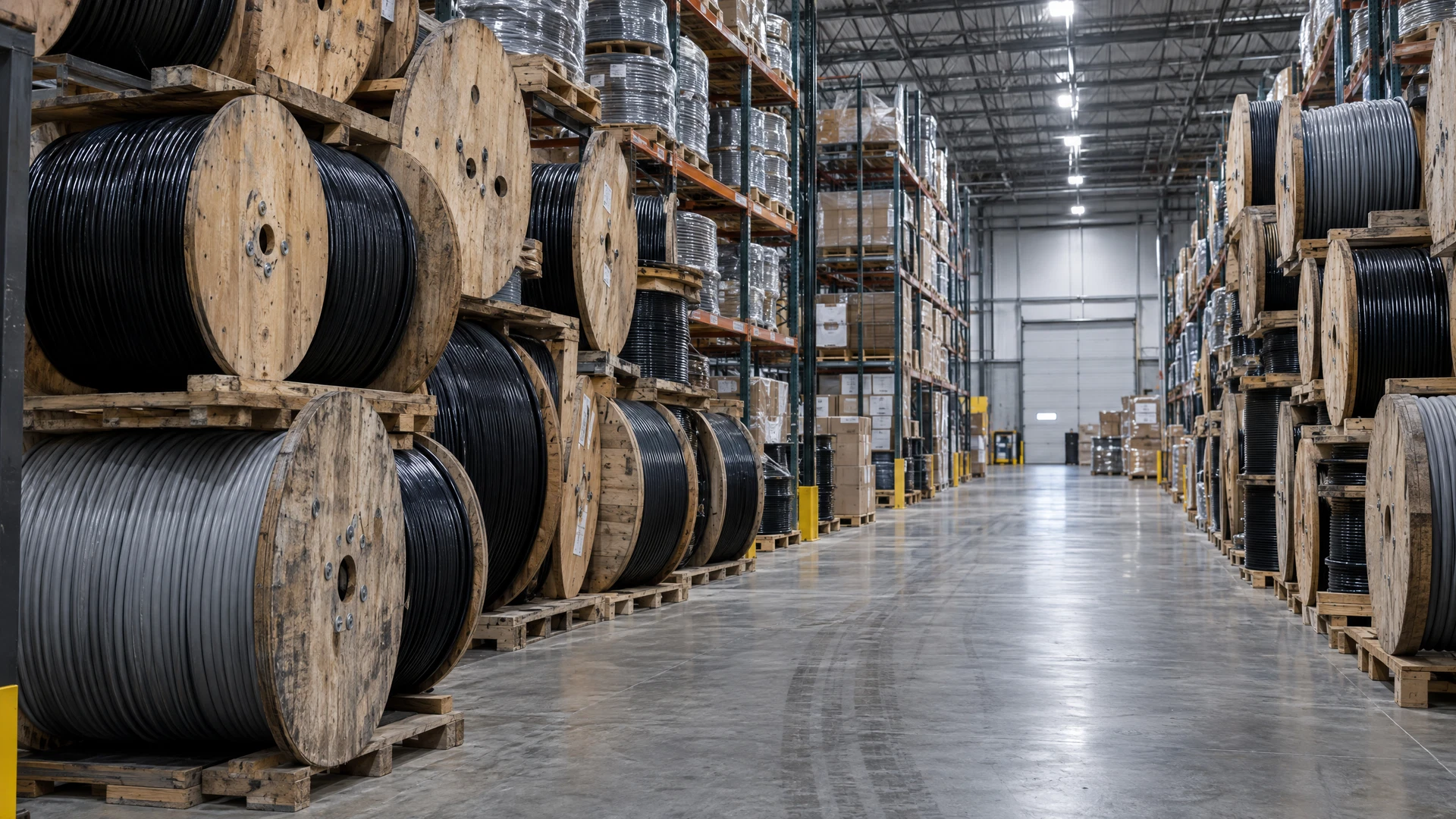
Lebanon County runs on refrigeration, conveyors and filling lines. The valley's dairy farms and feed mills grew into a food processing and packaging cluster that still operates around the clock, and every one of those plants carries a motor control room full of feeders, starters and control wiring. Add the warehouses that line I-81 at Jonestown and the maintenance shops that serve Fort Indiantown Gap, and the county holds a steady supply of reels that were bought for a project and never fully used.
Most of that material sits indoors, which helps. A partial reel of XHHW-2 left over from a chiller replacement, a spool of THHN from a line reconfiguration, or a box of tray cable from a packaging upgrade is usually clean and identifiable. We review those lots against the reel tag and jacket print rather than against scrap pricing, and we say plainly when a lot has only recovery value. Nothing is refused for being partial, but condition and identification decide how a lot is treated.
| County seat | Lebanon |
|---|---|
| Main employment sectors | Food processing and packaging, agriculture and feed milling, warehousing and distribution, healthcare, electrical contracting |
| Key highway and rail corridors | I-81 at Jonestown, I-78 across the northern tier, US 422 and Route 72; Norfolk Southern's Lebanon Valley branch through Lebanon and Palmyra |
| Typical wire families | THHN and THWN-2 building wire, XHHW-2 feeders, tray cable, control and instrumentation cable, SOOW cord, URD |
| Municipalities covered | Lebanon, Palmyra, Annville, Cleona, Cornwall, Myerstown, Richland, Jonestown |
Food processing shaped the county's electrical load
A Lebanon County plant is usually built around cold storage and packaging, not around a single large process. That means many small and medium motors, hundreds of starters, and long runs of control wiring between a compressor room and the line. Plants here tend to keep several sizes of THHN and XHHW-2 on hand because a changeover can happen in a weekend, and the electrician does not want to wait on a distributor delivery.
The agricultural side of the county adds a different pattern. Feed mills, grain handling and farm service entrances use direct burial cable and outdoor-rated feeders, often installed in conduit or direct buried to a pole or a bin. Those runs are frequently replaced in kind, which leaves partial coils of URD and USE-2 behind.
- Compressor and refrigeration rooms with 600 V feeders and separate control circuits
- Packaging lines rebuilt on short cycles, which strands partial spools
- Farm and feed mill services that use direct burial aluminum
Where surplus reels collect in Lebanon County
The largest concentrations sit in three places. Plant maintenance shops in the Lebanon and Myerstown corridor hold the oldest material, some of it a decade past installation with the reel tag still wired on. Distribution warehouses near the I-81 interchange at Jonestown generate cut lengths and returned spools when a tenant fit-out changes. Electrical contractors working out of Palmyra and Annville carry job leftovers in their vans until the shelf space runs out.
Contractors are usually the easiest to work with, because they know the footage and the purchase date. Plants often do not, especially after a maintenance manager retires. In that case the jacket print, conductor size and a measured reel diameter do most of the work.
- Maintenance storage rooms with shelved partial reels
- Warehouse tenant fit-outs that leave short cut lengths
- Contractor shops consolidating material at year end
Wire types that dominate local inventories
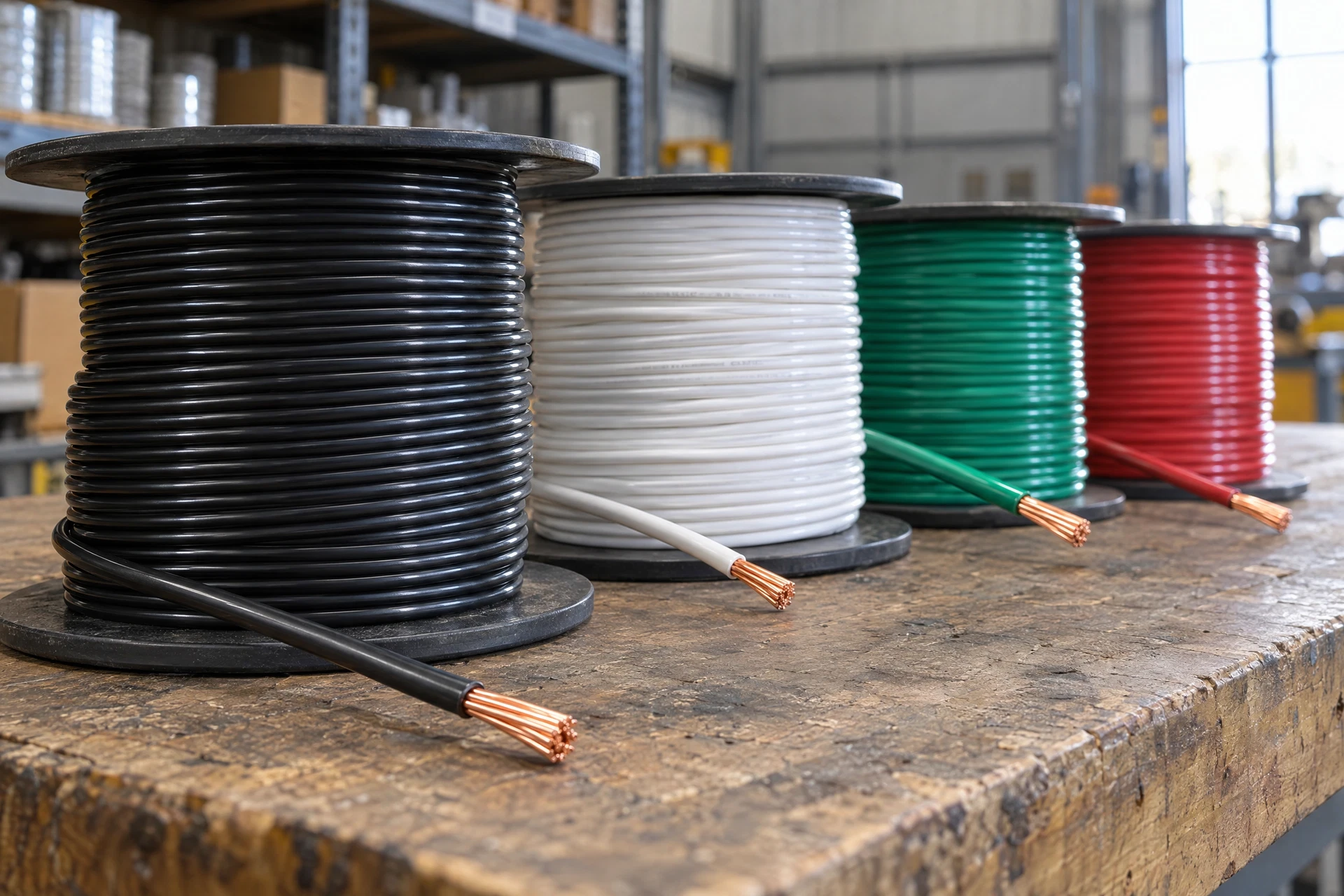
Building wire leads the list. THHN and THWN-2 in 12 through 4 AWG, plus 2 AWG and 1/0 through 4/0 for feeders, covers most of what a food plant or a warehouse needs. XHHW-2 shows up wherever a specifier wanted a wet-rated feeder, which is common in wash-down areas and on rooftop equipment.
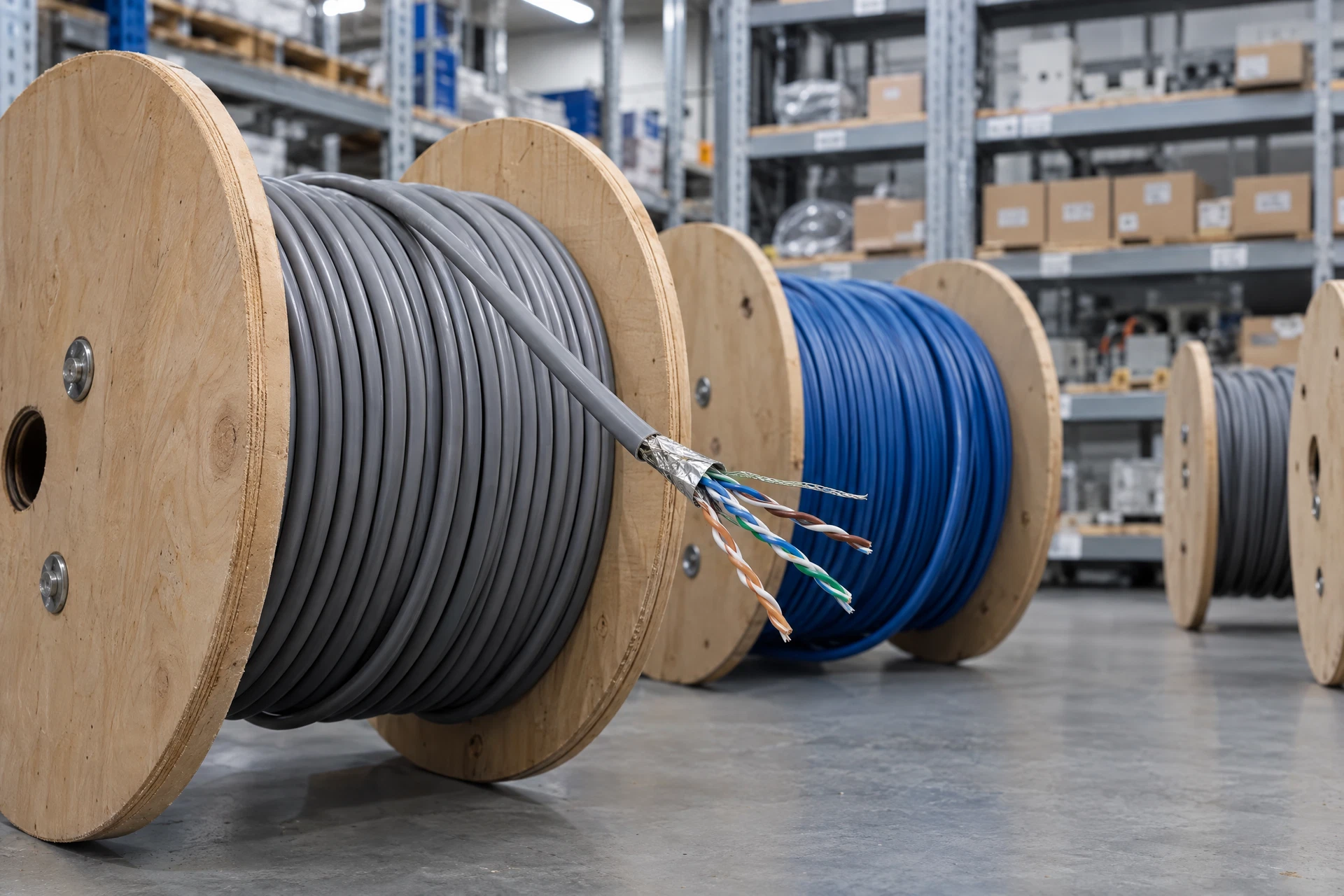
Above that sit tray cable and control cable. Tray cable is standard in packaging halls because it can be run without conduit, and control cable runs between the line controller and the drives. SOOW cord appears wherever equipment is portable or vibration-isolated, and it is often the most weathered material in the building.
- THHN and THWN-2 in 12 AWG through 500 MCM
- XHHW-2 feeders for wet and wash-down locations
- Tray cable, control cable and instrumentation cable
- SOOW portable cord, often oil-soaked but reusable
Moving reels out of the Lebanon Valley
US 422 and Route 72 meet at Lebanon, and I-81 is a short run north at Jonestown, so a trailer can reach most of the county without threading through downtown streets. Plants along Route 72 north of the city usually have a dock that will take a 53 foot trailer. Smaller shops in Annville and Cleona often do not, and a liftgate or a flatbed with a winch is the practical answer.
Reels are the constraint, not distance. A full reel of 4/0 aluminum can weigh well over a thousand pounds and needs a forklift with enough capacity at the forks, not just at the mast. Tell us the reel diameter and approximate weight when you send photographs, and say whether the reel can be picked from the side or has to be rolled out.
- Dock height and trailer length at the plant
- Forklift capacity and whether the reel is banded to a pallet
- Snow and ice on outdoor storage pads between December and March
Documenting an inventory before you call
A useful submission is short. Photograph each reel face so the tag is readable, then the jacket print where the manufacturer stamps the type, size and voltage rating. Add one wide shot of the storage area so we can see how the material has been kept. If a reel is opened, pull a few feet of conductor out and photograph the end so the stranding and condition are visible.
Write down the approximate footage from the tag or the counter, and note whether the reel has been indoors the whole time. If tags are missing, list what you can measure: conductor size, number of conductors, jacket color and outside diameter. That is enough to identify most constructions, and it keeps the conversation about wire rather than about guesswork.
Wire and cable we buy in Lebanon County
Municipalities we cover in Lebanon County
Lebanon County questions
Do you buy partial reels from Lebanon County food plants?
Yes. A partial reel with a readable tag and a known approximate footage is reviewed as wire. Very short lengths, badly crushed reels and cable with damaged jackets are usually valued on conductor recovery instead.
Can you work around a plant shutdown schedule in Jonestown?
Pickup is scheduled after the inventory is reviewed and the quote is accepted. If the plant only allows vendors on site during a shutdown window, tell us the dates and we will plan around them.
What about cable stored outdoors on a farm?
Outdoor storage is common for URD and USE-2 and is not automatically a problem. Sun damage to the jacket and water in an open reel end change the review, so photograph the outer wrap and the exposed conductor.
Have surplus wire on the floor right now?
Send photographs of the reels, tags and jacket print. We will tell you what the material is worth as wire, not just as metal.