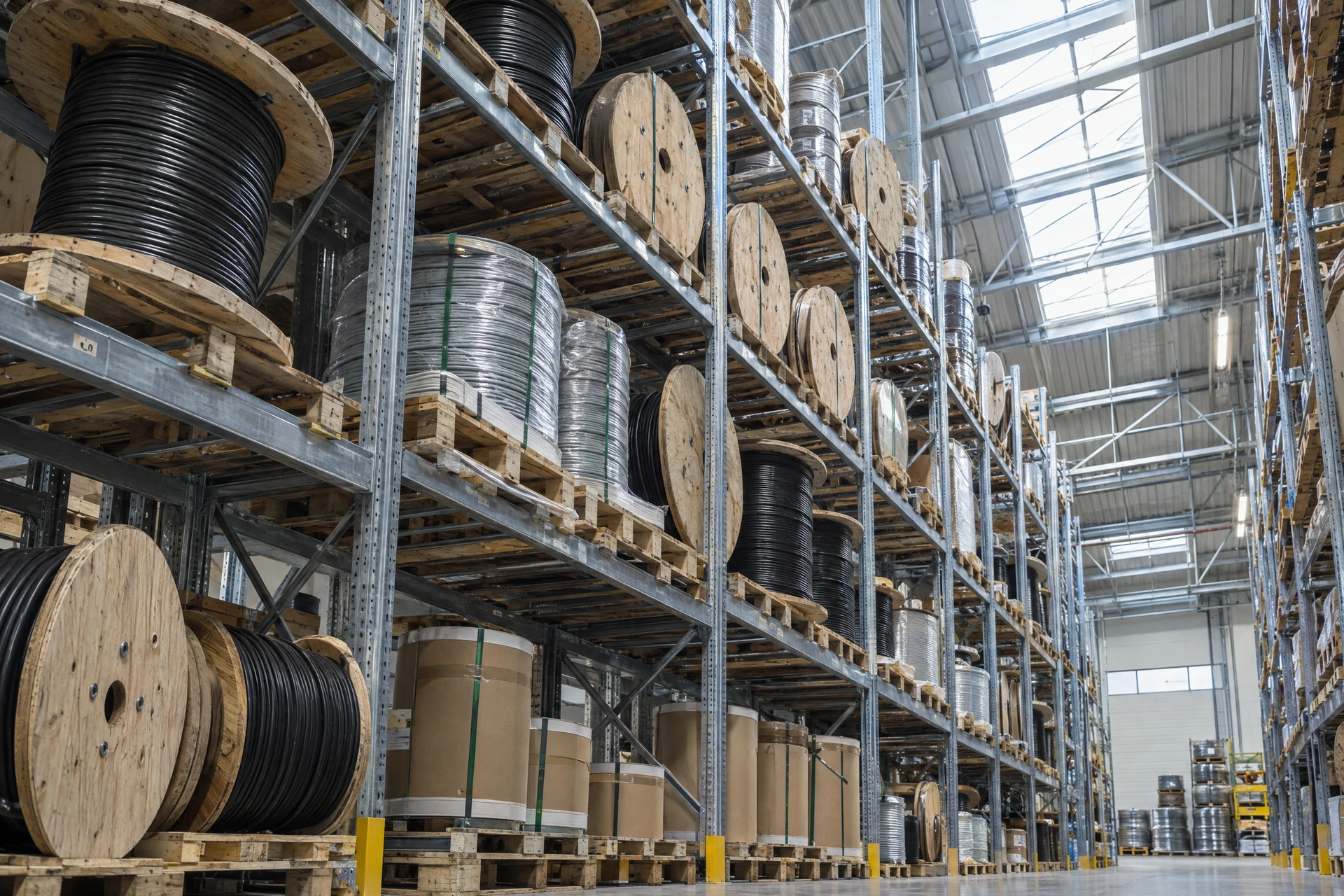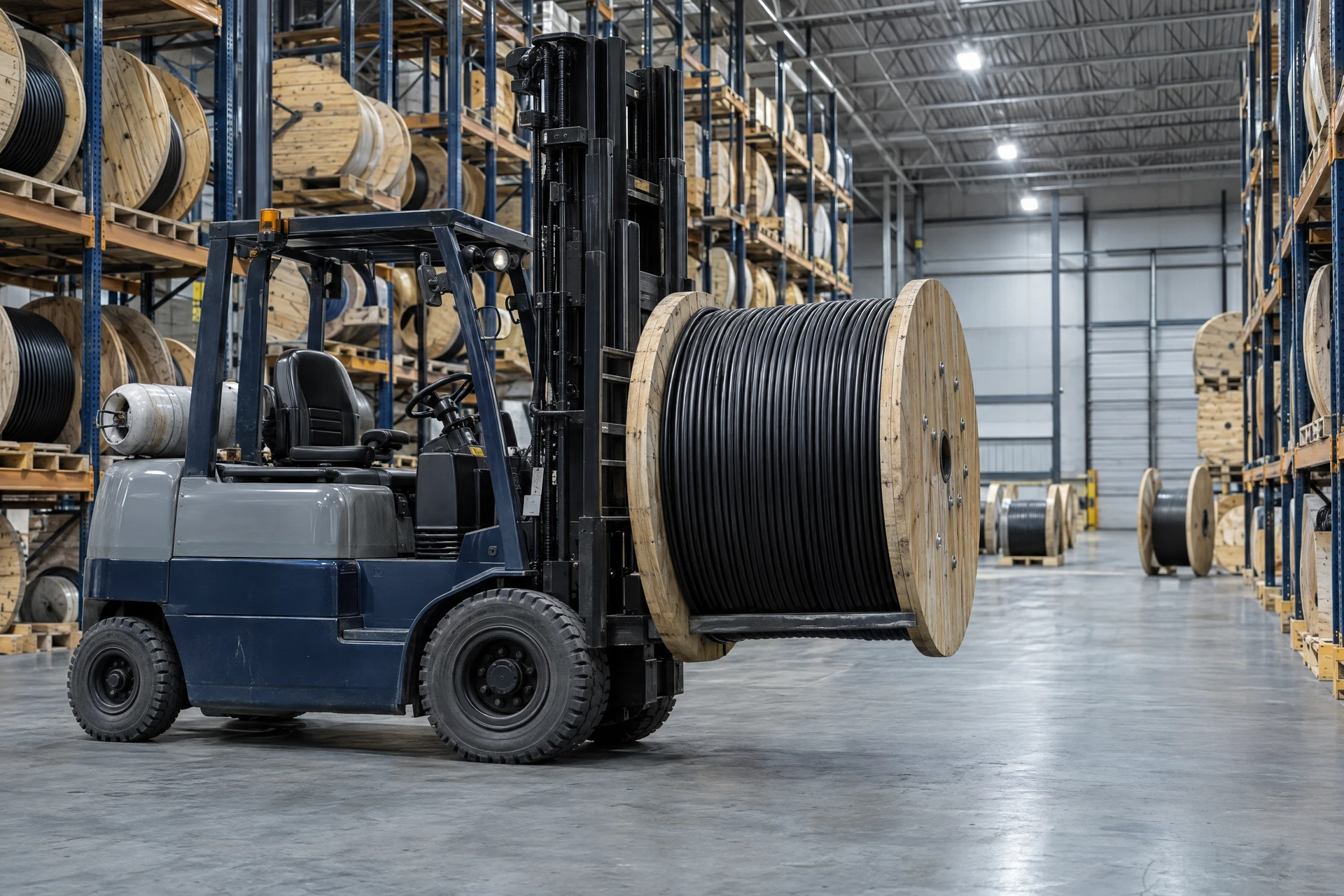
Most surplus wire sits in a storage room for years because nobody wants to start the paperwork. The task looks larger than it is. A plant with forty reels needs a spreadsheet with forty rows, a morning of photographs and a short description of how a truck would reach the material. That is enough for a review, and it is far less work than the repeated site visits that an unorganized submission produces. The work is mostly clerical, and it can be done in one pass through the storage area.
This guide describes the order that works: build the list first, decide what belongs in one lot, photograph in a fixed sequence, then describe access and handling. It also covers what happens after the inventory is sent, including the questions that usually come back and the small omissions that delay a quote by a week. Most delays come from missing detail rather than from difficult material, and a complete first message usually ends the back and forth before it starts.
| Minimum per reel | Size, insulation, voltage, approximate length |
|---|---|
| Photos per lot | Four to six clear images usually suffice |
| Access details | Dock, forklift capacity and reel weight |
| What follows | A review and a quote, not a same-day price |
| Best timing | Before material moves to outdoor storage |
Build the list before you take a photo
One row per reel or per distinct product, with columns for location, size, insulation, conductor count, voltage, approximate length, tag status, condition and photo reference. The location column matters more than it seems, because a review that cannot tell which reel is in which aisle will generate a second round of questions. Use the room, rack or bay name that people at the site already use.
Fill the list from the tags first and the jacket print second, and mark anything you had to infer. An entry that says 4/0 XHHW-2, approximately 620 feet, tag present, print legible is worth more than a paragraph of description. If a reel has no tag, leave the length blank rather than guessing, and note that it needs measuring. Blank fields invite a question; invented fields invite a correction later.
Decide what belongs in one lot
A lot is a unit of review, not a legal category. Group by project when the material came from one job, by storage location when the reels are scattered, and by product family when a distributor is clearing stock. Do not split a matched set of reels that were ordered together, since a buyer may want all of them for one installation. Do not combine a sealed reel with a pile of unidentified cutoffs just to make the list shorter.
If the inventory is large, split it into lots of a manageable size and say so in the first message. Ten lots of four reels each is easier to review than one lot of forty, and it lets a decision be made on part of the material without holding up the rest. It also makes pickup scheduling simpler, since a smaller lot can often move on a smaller truck.
- Group by project, location or product family, not by convenience
- Keep matched sets together
- Split large inventories into reviewable lots
Photograph in a fixed order
Use the same five shots for every reel: tag, jacket print, whole reel, cut end, and the reel in its storage position. The fixed order means nothing is forgotten and the reviewer can compare reels quickly. Name the files with the row number from the list, so a question about row fourteen can be answered by opening one image rather than scrolling through a folder of timestamped files.
Take the wide shots last, after the individual reels, and include one overview of the whole storage area. If the light is poor, use the flash rather than a longer exposure, because a blurred tag is worse than a bright one. Photograph in the same session as the list is built, while the reels are still where the list says they are.
Describe access and handling
The material is only worth what can be moved. State whether there is a loading dock, what height it is, whether a forklift is available on site and what it is rated for, and whether the reels are on the floor, on racks or behind other stock. For a large reel, give the approximate weight from the tag. For a basement or an upper floor, describe the stairs, the door width and the elevator if there is one.
Access notes also cover timing. A plant that can only load between shifts, a school that needs pickup during a break, and a site with a gate code all affect scheduling. Snow, mud and staging areas matter in Pennsylvania from December through March. A sentence about the driveway or the yard saves a wasted trip, and a wasted trip is the most expensive part of a small lot.
- Dock height, forklift capacity and reel weight
- Floor, rack or mezzanine position, plus door and stair dimensions
- Loading hours, gate access and seasonal ground conditions
What happens after you send it
The inventory is reviewed against the photographs and the list, and questions come back where the two disagree or where a length is unstated. A quote follows the review, and pickup is scheduled after the quote is accepted. Nothing is priced at the first message, because a number given before the material is understood is a number that has to be revised, and revised numbers waste everyone's time.
Expect questions about the ends, the storage history and whether the material is still in the same location. Expect a request for one more photograph if a tag is out of focus or a print is cropped. These are normal parts of a review, not signs of a difficult buyer. Answering them in the first submission is the difference between a quote in days and a quote in weeks.
The omissions that cause most delays
The first is a missing tag photographed from too far away, which forces a second visit to the site. The second is a mixed pallet described as assorted wire, which cannot be priced without sorting. The third is an unstated length on a partial reel, which turns a straightforward lot into an estimate. The fourth is access that was described as easy and turns out to involve a stairwell.
The fifth is timing. Material that is moved outdoors while the review is in progress often arrives at the buyer in worse condition than the photographs showed, and the quote has to be revisited. If a building is being cleared on a schedule, say when the reels will move and where they are going. A short message about a change in storage is cheaper than a renegotiation at the dock.
- Sharp tag photos prevent a second site visit
- Assorted pallets need sorting before they can be priced
- Report any change in storage while the review is open