University and Campus Surplus Wire Buyers in Pennsylvania
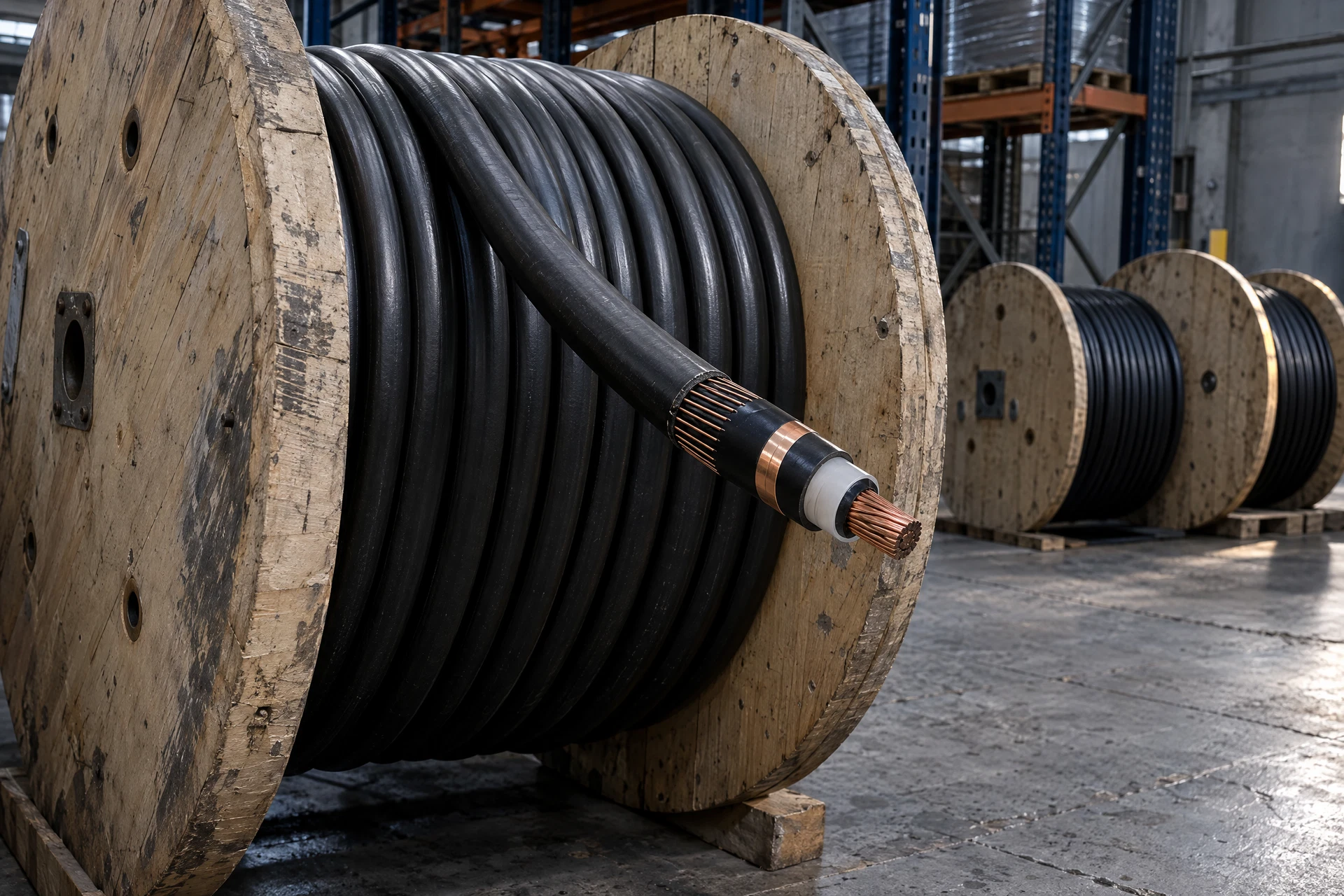
Campus distribution cable and renovation leftovers from Pennsylvania universities, reviewed with the records physical plant already keeps.
A university campus is a small utility with classrooms attached. It owns its distribution, maintains steam and chilled water in tunnels, and renovates buildings on a cycle that never quite finishes. Physical plant keeps the cable for all of it, because a failed feeder at midnight cannot wait for a supply house to open. Campus warehouses fill up with both, one project at a time, and the stock outlasts the budget year that paid for it, usually by several years or more.
We review surplus from universities and institutions across Pennsylvania. The material reflects the campus. Medium voltage cable from the distribution loop, building wire from laboratory and dormitory renovations, and the low voltage cable that ties fire alarm, access control and building systems together. Much of it is tagged, racked and stored indoors, which makes an institutional lot easier to read than most industrial surplus. A stock report from physical plant, if one exists, often does the rest of the work, and it usually does.
| Typical stock | Campus distribution, lab and renovation cable |
|---|---|
| Voltage | 600 V class through 15 kV |
| Systems | Distribution loop, buildings and low voltage |
| Condition | Physical plant stock and project surplus |
| Access | Scheduled loading around the academic calendar |
Campus distribution and renovation churn
Many campuses run their own primary distribution at 5 kV or 15 kV, looped between buildings through duct banks and tunnels. Cable for that loop is bought in quantity and held as spares, because a fault takes out a building rather than a circuit. When a loop is reconfigured, the spare cable for the old configuration stops being useful.
Renovation churn adds the rest. A laboratory fit-out, a dormitory refresh and a classroom technology upgrade each bring their own electrical scope, and each finishes with material left over. Because work is often scheduled for summer, the surplus accumulates in a single season and then sits until the next budget cycle.
- 5 kV and 15 kV campus loop cable
- Duct bank and tunnel distribution spares
- Laboratory and dormitory renovation leftovers
- Summer project surplus held until the next budget
Renovation leftovers from labs and dormitories
Laboratory renovations are the most specific. Fume hoods, environmental rooms and analytical equipment need dedicated circuits, and the cable is often specified for the load rather than chosen from stock. A lab that changes function leaves feeders sized for equipment that is no longer there.
Dormitory work is more repetitive. A building with two hundred rooms has two hundred similar circuits, and a refresh that touches half of them leaves a predictable quantity of MC, THHN and device wiring. That material is usually standard and easy to review.
- Lab bench and fume hood circuit cable
- Environmental room and equipment feeders
- Dormitory branch circuit and MC cable
- Standard sizes left in predictable quantities
Campus standards and stored stock
Institutions publish design standards, and those standards name the cable that is acceptable on campus. A physical plant warehouse may hold material bought to a standard that has since been revised, and the revision is what turns usable stock into surplus.
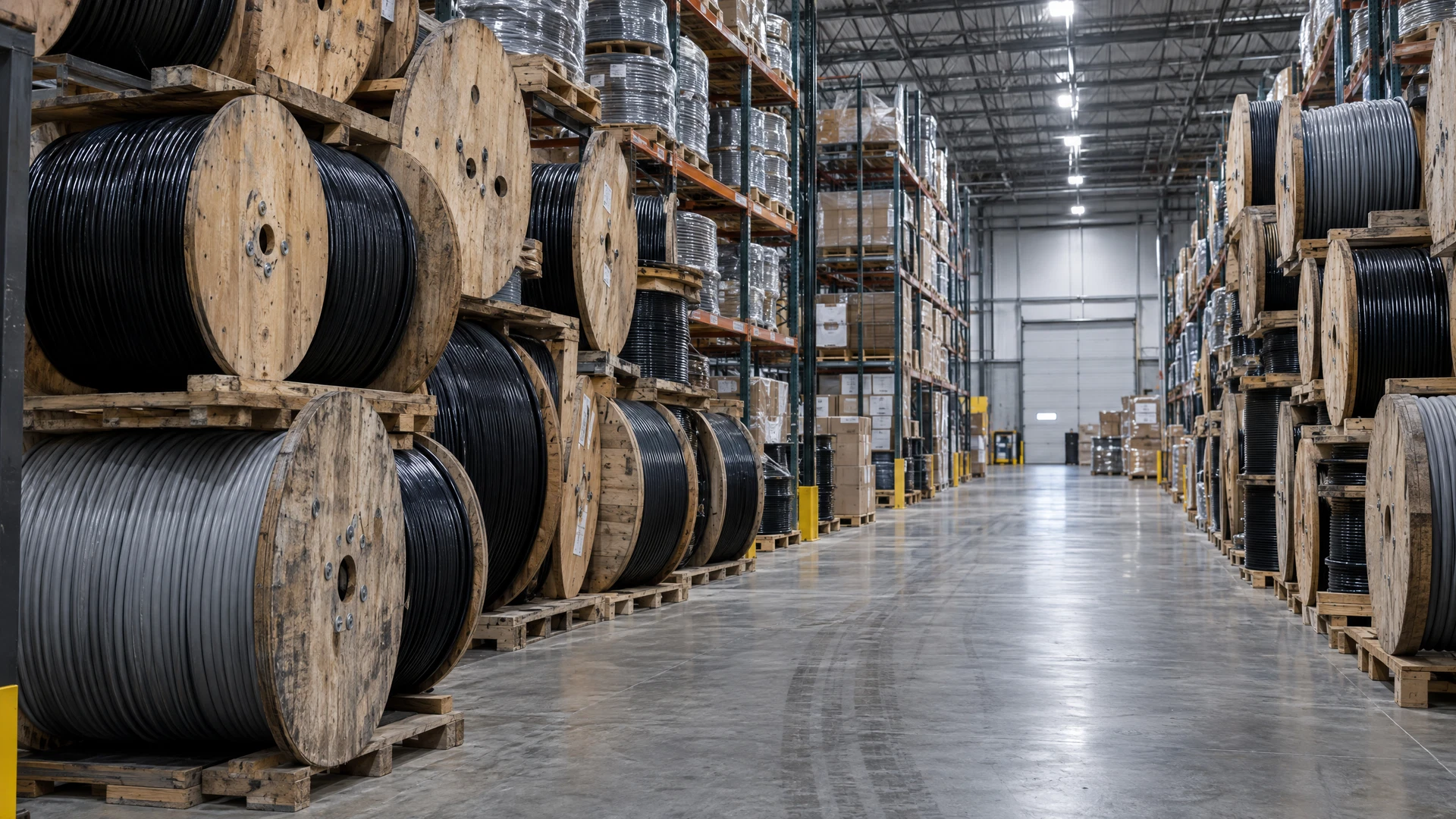
Stored stock is usually organized by trade. Electrical keeps its own cage or bay, with reels racked and boxes shelved. That organization helps a review, because the material is already sorted by type and the tags tend to survive when nothing is dragged between buildings.
- Design standards naming acceptable cable
- Stock bought to a revised standard
- Electrical cage or bay with racked reels
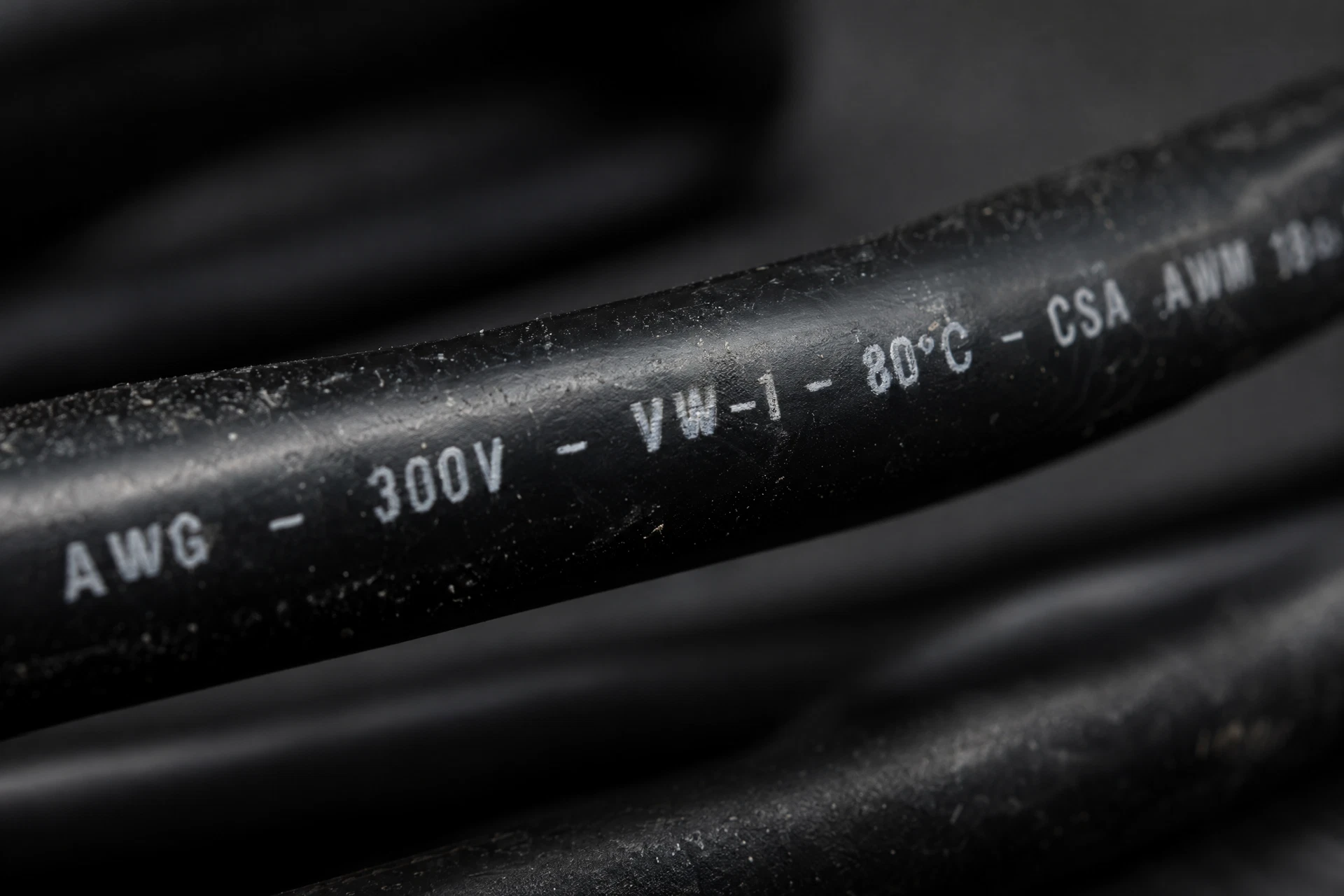
- Sorted stock with surviving reel tags and readable jacket print
Condition and records on a campus
Campuses keep records better than most institutions. A project closeout package includes submittals, as built drawings and a spare parts list. A work order system records what was purchased for a repair. Those records can date a reel and explain why it is still on the shelf.
Physical condition still decides the review. Warehouse stored reels are usually sound, while material kept in a tunnel or a mechanical room picks up moisture and dust. Cable stored in a steam tunnel is reviewed carefully, since heat and humidity act on a jacket over years.
- Closeout packages with submittals and spare lists
- Work order history for purchased material
- Tunnel and mechanical room storage exposure
- Warehouse racked reels with tags intact
Scheduling around the academic calendar
A campus is easy to load on a quiet day and difficult during move in. Deliveries and removals are scheduled around the academic calendar, and summer is the practical window for anything that requires a dock or a service road. Some buildings restrict truck access during class hours.
We confirm the building, the dock, the elevator if the material is above grade, and whether the campus requires a work permit for a vendor vehicle. Loading is usually a single visit, since physical plant prefers to clear the material rather than stage it twice.
- Summer window for dock and service road access
- Building dock, elevator and stair dimensions
- Vendor vehicle permits and gate procedures
- Single visit loading preferred by physical plant
Wire and cable we buy from universities and institutions
- 5 kV and 15 kV campus distribution cable
- THHN and XHHW-2 from building renovations
- MC cable from dormitory and lab work
- Fire alarm and low voltage cable
- Copper feeder reels from equipment upgrades
- Bare copper grounding conductor
- Mixed boxes from technology upgrades
Where this inventory comes from in Pennsylvania
Universities and Institutions questions
Do you buy medium voltage cable from a campus loop?
Yes. Loop cable is reviewed on the reel tag, since the voltage class and insulation type cannot be judged by appearance. Spare cable bought for a configuration that has since changed is often the strongest candidate for review.
Can you work around the academic calendar?
Yes. Summer is the usual window, and some buildings allow access only outside class hours. We confirm the building, the dock and any vendor permit requirements before scheduling, then complete the load in one visit where possible.
What records help with institutional stock?
Closeout packages, submittal sheets and spare parts lists are the most useful. Work order records can also date a purchase. Institutional stock is often better documented than private industrial stock, which shortens the review and reduces guesswork.
Do you buy cable stored in a utility tunnel?
Yes, with a closer look. Tunnels are humid and warm, and a jacket that sat there for years may show surface changes. The review checks for moisture at the cut ends and for jacket hardness before treating the material as resalable.
Have surplus wire on the floor right now?
Send photographs of the reels, tags and jacket print. We will tell you what the material is worth as wire, not just as metal.