Wire Buyers for Pennsylvania Electrical Distributors
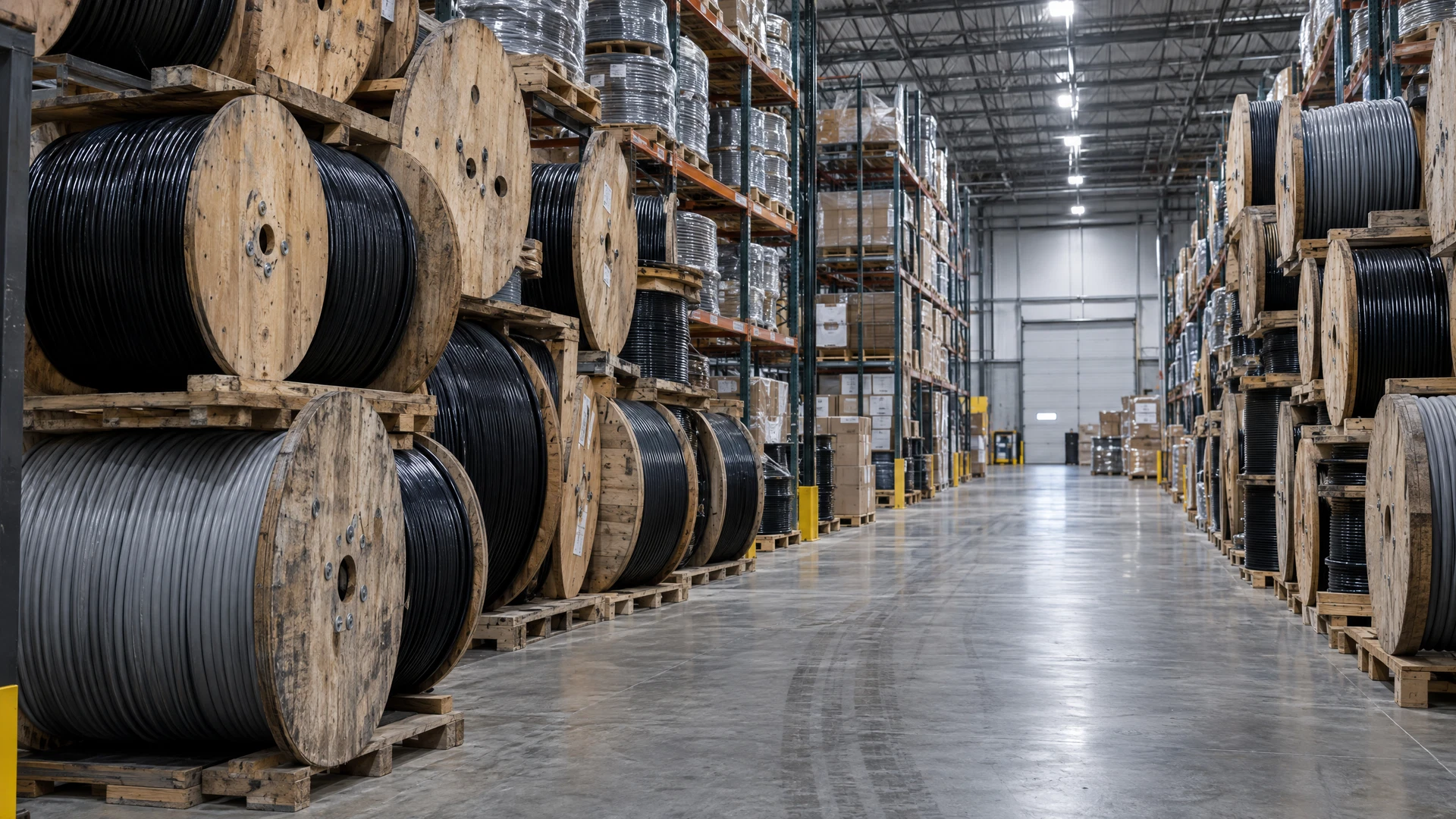
Overstock, discontinued items and special-order returns sitting in Pennsylvania distributor racks, reviewed reel by reel.
A distributor's wire inventory is shaped by customer demand and by minimum order quantities. A contractor asks for 500 feet of 350 MCM, the mill ships a 1,000 foot reel, and the balance becomes overstock. A manufacturer discontinues a jacket color or a size, and the remaining stock stops moving. A special order comes back because the job was cancelled, and it sits in will-call until someone decides what to do with it. None of that is unusual, and none of it is waste.
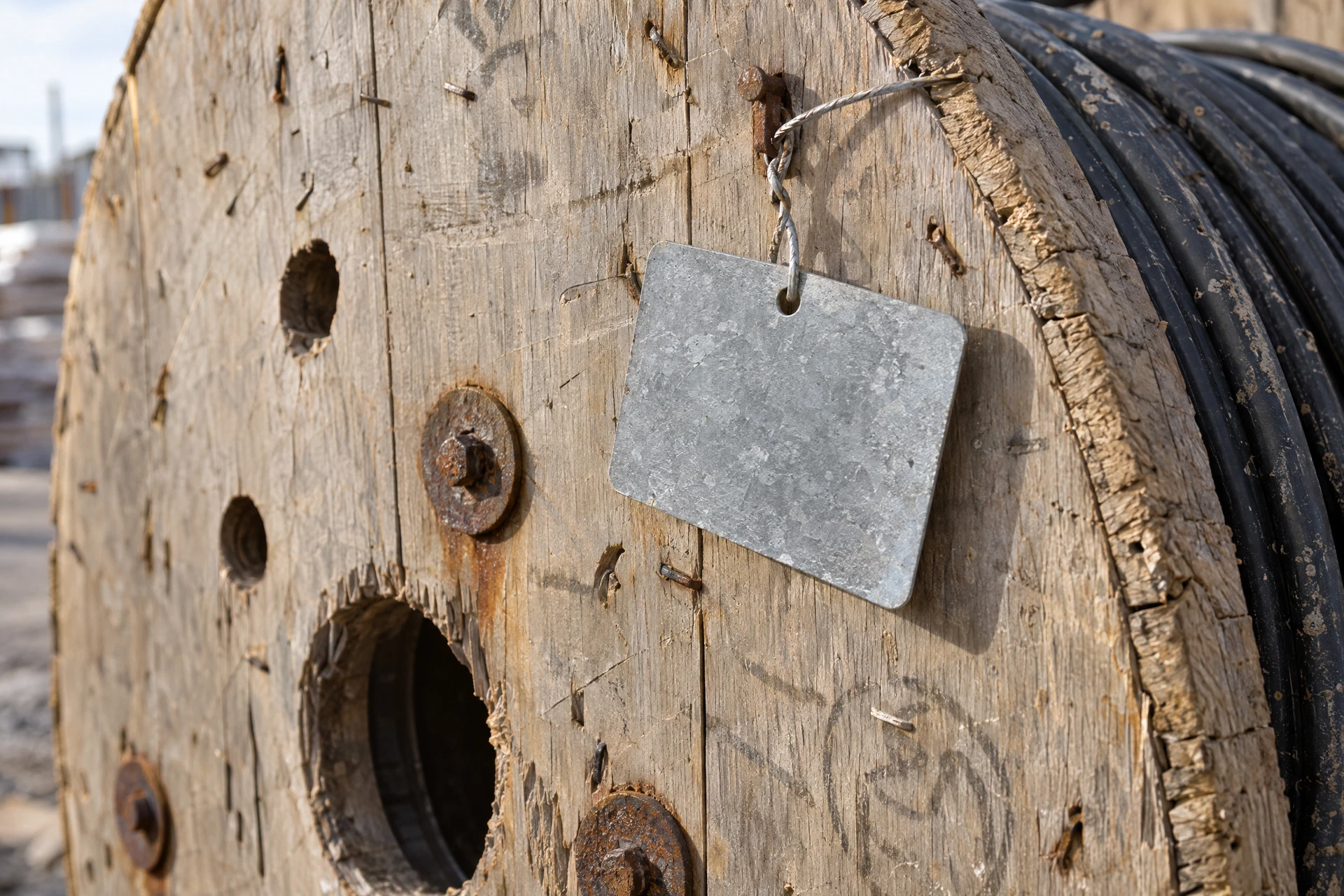
We review those lots from distributors across Pennsylvania, from a single discontinued reel to a rack section being cleared for a new product line. Distributor stock is usually the best documented material we see. Tags are intact, storage is indoors, and a part number ties back to a purchase record, which makes the review faster than it is for material pulled off a job site. A branch that can pull a stock report, with quantities and footages, makes it faster still.
| Typical lots | Overstock, discontinued and returned reels |
|---|---|
| Stock types | Building wire, cable and cut lengths |
| Sizes | 14 AWG through 1000 MCM |
| Condition | Racked, sealed and remnant stock |
| Pickup | Branch dock or will-call counter |
How overstock builds up in a wire department
Wire is bought in mill quantities and sold in cut lengths, so the two do not reconcile neatly. A stocking order for 4/0 aluminum may rest on a forecast that one large project then distorts, leaving extra reels after the project closes. Stock rotation matters as well. A reel that reaches the back of the rack and stays there is functionally overstock even when the system shows it as available.
Contractor returns add to the pile. Unused reels come back with the driver, get credited, and go back on the rack in whatever condition they arrived. Some are still sealed. Some spent a month on a job site and show it.
- Mill-quantity purchases against forecast demand
- Reels behind the rack that stop rotating
- Contractor returns credited and restocked
- Branch consolidations that duplicate a size
Discontinued, slow-moving and cut-length stock
Manufacturers change jacket compounds, phase out colors, and drop sizes that no longer sell in volume. When that happens, a branch may hold a few hundred feet of a cable nobody will order again, and it sits until someone clears it. Slow movers behave the same way without the formal notice.
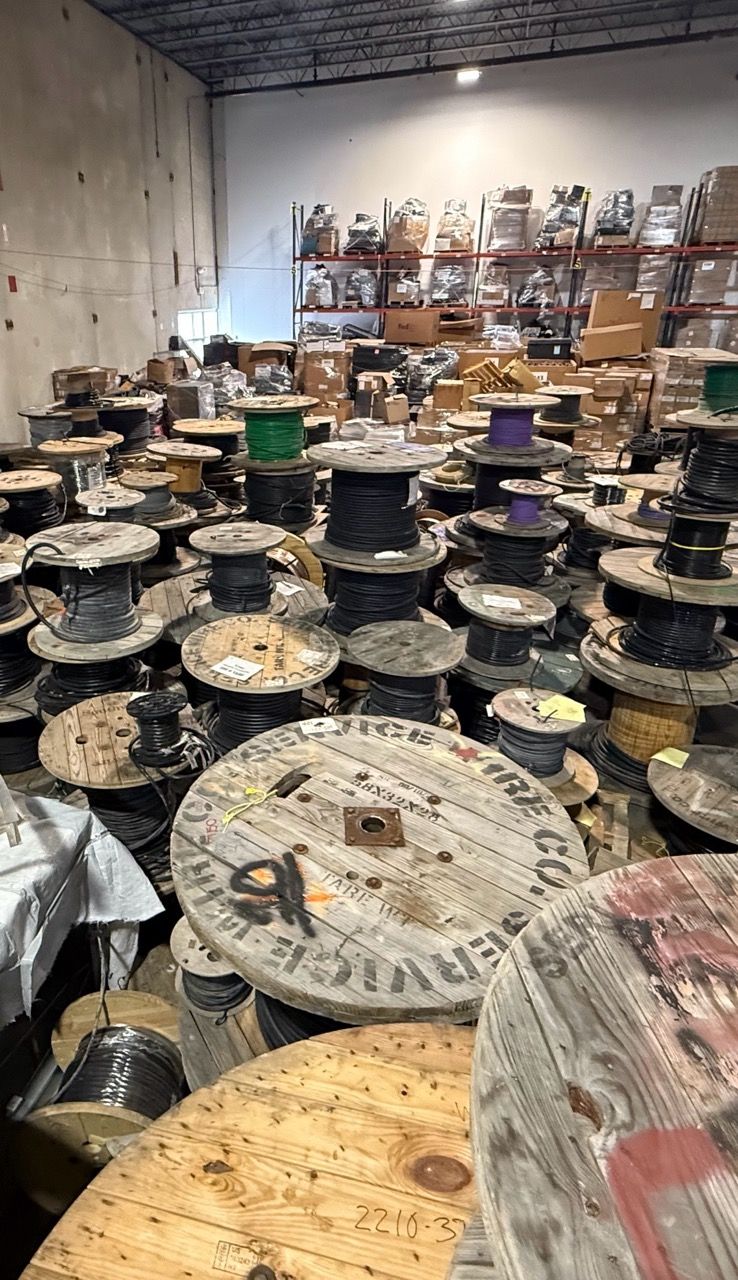
Cut lengths are the other category. Distributors keep remnant racks for contractor convenience, and those racks accumulate short pieces across many sizes. Short lengths are reviewed on conductor content, because the labor to identify and resell them often exceeds their value as wire.
- Discontinued jacket colors and phased-out sizes
- Slow movers with no formal discontinuation notice
- Remnant racks of short cut lengths
- Odd footages from job-specific cuts
Special-order returns and cancelled projects
Special orders are bought for one customer and one job. When the job is cancelled or redesigned, the material comes back and the distributor owns it. These lots are often the cleanest material in the building. Sealed, tagged, and in sizes that were specified rather than forecast.
The complication is quantity and mix. A cancelled fit-out returns many small lots of different sizes, and reviewing them takes longer than reviewing one large reel. We ask for a list with sizes, footages and tag photographs so the review can be done in a single pass.
- Sealed reels from cancelled or redesigned jobs
- Mixed sizes from a single project return
- Special-order cable in nonstandard constructions
- Will-call material that was never picked up
Condition and storage in a distributor warehouse
Warehouse storage is usually the best case. Racked reels stay dry, out of sunlight and off the floor, and tags survive because nothing drags them across a job site. The issues that remain are handling damage, fork pockets punched through a reel, and jacket scuffing where reels rub in a rack.
Outdoor storage changes the review. Satellite yards hold reels under tarps or in the open, and ultraviolet exposure and standing water do real damage over a Pennsylvania winter. A reel that spent two years outdoors is reviewed as weathered stock regardless of what its tag says.
- Racked indoor storage with tags intact
- Fork damage and jacket scuffing from handling
- Outdoor and tarped storage exposure
- Water standing in reel arbor holes
Pickup from a branch or a will-call counter
Distributor pickups are usually straightforward but scheduled tightly. Branches run on delivery routes, and a truck that arrives without a window competes with outbound freight. We confirm the branch, the dock hours and whether the material is at the counter or in the rack before a truck is dispatched.
Large reels need equipment. A 60 inch reel may be too tall for a standard van and too heavy for a lift gate, so a flatbed with a boom is often the practical choice. Tell us the reel dimensions and the dock height, and the loading plan follows.
- Branch dock hours and delivery route timing
- Counter pickup versus rack access
- Reel dimensions against truck and lift gate limits
- Palletized remnant racks ready to load
Wire and cable we buy from electrical distributors
- Overstock reels in standard trade sizes
- Discontinued and slow-moving cable
- Special-order returns from cancelled jobs
- Remnant rack cut lengths
- Full reels of THHN, XHHW-2 and SER
- Aluminum feeder and URD reels
- Palletized mixed lots from branch consolidations
Where this inventory comes from in Pennsylvania
Electrical Distributors questions
Do you buy a whole remnant rack?
Yes, as a mixed lot. Remnant racks are reviewed on total conductor content and the mix of sizes, since short pieces move slowly on their own. A photograph of the rack and a rough size count is enough to start.
Can you review stock that is still in the system?
Yes. A stock report with part numbers, quantities and footages can be matched against reel tags. Items that show as available but have not moved in a year are usually the first candidates for review.
What about cable that was discontinued years ago?
Discontinued stock is reviewed on the jacket print and tag, then weighed against current demand for that construction. Some obsolete cable still has a market, and some is only worth conductor recovery. The review says which.
How are pickups handled across multiple branches?
Each branch is treated as its own pickup, with dock hours and material location confirmed separately. When several branches are involved, the lots are reviewed together but loaded on separate schedules so no truck waits on material that is not staged.
Have surplus wire on the floor right now?
Send photographs of the reels, tags and jacket print. We will tell you what the material is worth as wire, not just as metal.